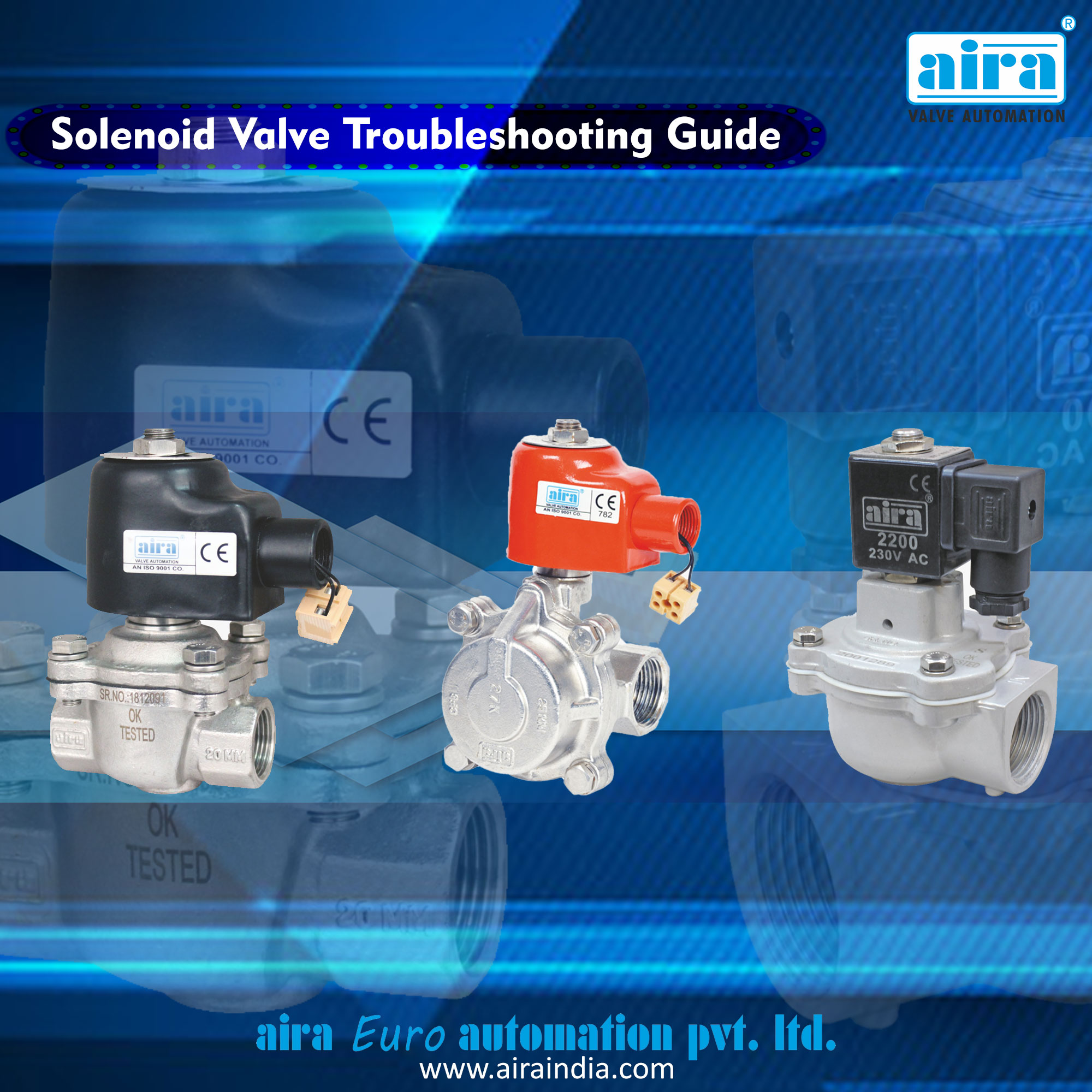
As we all know, any mechanical device has appeared some faults after long use. In this article, we will explore the quick troubleshooting steps for not working or faulty solenoid valves. Solenoids are mechanical devices, which means they will eventually fail. The problem needs to be fixed immediately when this happens. Fortunately, these devices only have a few components. A solenoid valve also works on a relatively simple mechanism. The result is that they are easily serviced. So let’s start with the troubleshooting methods.
Attention!!!
To prevent a solenoid valve from burning, switch off the power and isolate system pressure during servicing.
Solenoid Valve Failure Symptoms: How to Check if it is Working
Before disassembling your system, identifying specific solenoid valve symptoms can help narrow down the problem. You can quickly check if a solenoid valve is working or not by testing its electrical integrity:
- The Multimeter Resistance Test: Turn off the power, set your multimeter to Ohms (Ω), and measure across the coil pins. An infinity reading (∞) means the coil has an open circuit and is burnt out; a 0 Ω reading means it has short-circuited.
- The Magnetic Test: While the valve is energized, pull the coil slightly or place a screwdriver near the armature. If you do not feel a physical magnetic tug, the coil is failing to create a magnetic field.
How To Fix Not Opening Solenoid Valve?
To fix the problem, determine which type of solenoid valve you have. The solenoid valve can be either normally open or normally closed.
Additionally, if it is a direct-acting or pilot-operated type. Depending on the type of valve, different causes can lead to the valve, not opening.
1) Coil Problem
Use a voltmeter to measure the voltage across the coil. This should help you determine whether the coil is functioning properly. To determine if there are magnetic forces acting on the coil, pull it slightly. When it is hard to pull, the coil creates a magnetic field, thus lasing current. It is necessary to replace a burnt coil.
2) Wrong Voltage
If the voltage is incorrect, make sure the supply matches the manufacturer’s specifications.
Different solenoids require different voltages. Depending on the solenoid valve, it can be either 12V or 24V, and an incorrect power supply may damage the circuitry and coil.
Solenoid valves also differ in their AC voltages. If you want to use a 110-120V solenoid valve, you must use a corresponding power supply. You might damage the valve if it gets above that level.
3) Pressure Differences
Different solenoid valves have different pressure specifications. Ensure the pressure across the ports does not exceed or fall below the levels specified by the manufacturer.
If the input pressure is too high, reduce it. The valves that work with pilots require a minimum pressure in order to function properly.
When the pressure of the system is too low for the valve, it may need to be replaced with one with an appropriate pressure requirement.
4) Damaged, Dirty Valve Seat Or Seal, And Missing Component
Make sure the affected part is clean so the dirt causing the jam can be removed. Replace any damaged items such as diaphragms for pilot solenoids. Install any missing components.
Also Read, Ball Valve and Intelligent Valve Design
How To Fix Solenoid Valve Stuck Open or Leaking?
1) Dirt or Debris in the Orifice
The most common cause of a solenoid valve leak is dirt, rust, or pipe scale preventing the seal or diaphragm from closing completely against the valve seat. Disassemble the valve body and thoroughly clean the seat and the flexible diaphragm pilot holes.
2) Broken or Missing Return Spring
If the internal plunger return spring is broken, corroded, or was accidentally left out during a past rebuild, there will not be enough mechanical force to push the valve closed when de-energized. Inspect and replace the spring kit.
How To Fix Solenoid Valve That Partially Opens?
A malfunction can be caused by inadequate pressure, damaged components such as the armature and tube, dirt on diaphragms, valve seats, or tubes, corrosion, or missing parts. There are various solutions depending on the affected part or type of fault.
1) Low Pressure
You should make sure the pressure stays within the manufacturer’s recommended range. Indirectly operated or pilot solenoid valves won’t open fully if proper pressure levels aren’t obtained.
2) Dirty, Corroded, Damaged, or Missing Parts
You should clean dirty diaphragms, seats, or tubes. Components that were broken or damaged were replaced.
In some cases, parts with corrosion will not perform as required. Also, install the missing components.
How To Fix Burnt Coil
Solenoid valves can burn the coil for a number of reasons. In addition, there are many issues such as incorrect voltage, short circuits, dirty or damaged moving parts like the plunger, as well as overheated media. The coils may have been burned because the wrong type was selected.
1) Incorrect Voltage
Ensure that the solenoid valve coil voltage is within the power supply’s specifications. The coil should be changed if it’s incompatible with the power source.
The voltage of solenoid valves varies by valve type and size. Make sure the one you install is suitable for your situation.
2) Short Circuit
Check the wiring of the solenoid valve. Make sure voltages are not fluctuating. If a wiring system or solenoid valve circuit has a fault, fix it as soon as possible.
Identify any fluid leaks in the valve that may have caused a short circuit. Short circuits caused by fluid or moisture are one of the main causes of solenoid valve problems.
3) Dirt or Bent Moving Parts
Make sure the tube and plunger assembly are clean. When the valve is operating, dust on these components could cause enormous friction and high temperatures. Whenever one of these parts breaks or bends, replace it.
4) High Medium or Surrounding Temperature
The valve may have to be replaced with a high-temperature tolerant type if the coil was burned out because of hot fluid. If temperatures are too high around the installation, think about dealing with it. The valve area can be ventilated, which would be another option.
Finale
Solenoid valves that are faulty cannot perform as expected. In the event of a faulty orifice, fluid may leak through the orifice because the medium is not properly regulated. Detecting and fixing solenoid valve problems can help avoid unwanted system breakdowns. Choose the valve manufacturer wisely, who can provide the parts if replacement is necessary. Additionally, consider installing an upstream filter or Y-strainer to protect the valve seat from future debris blockages.