
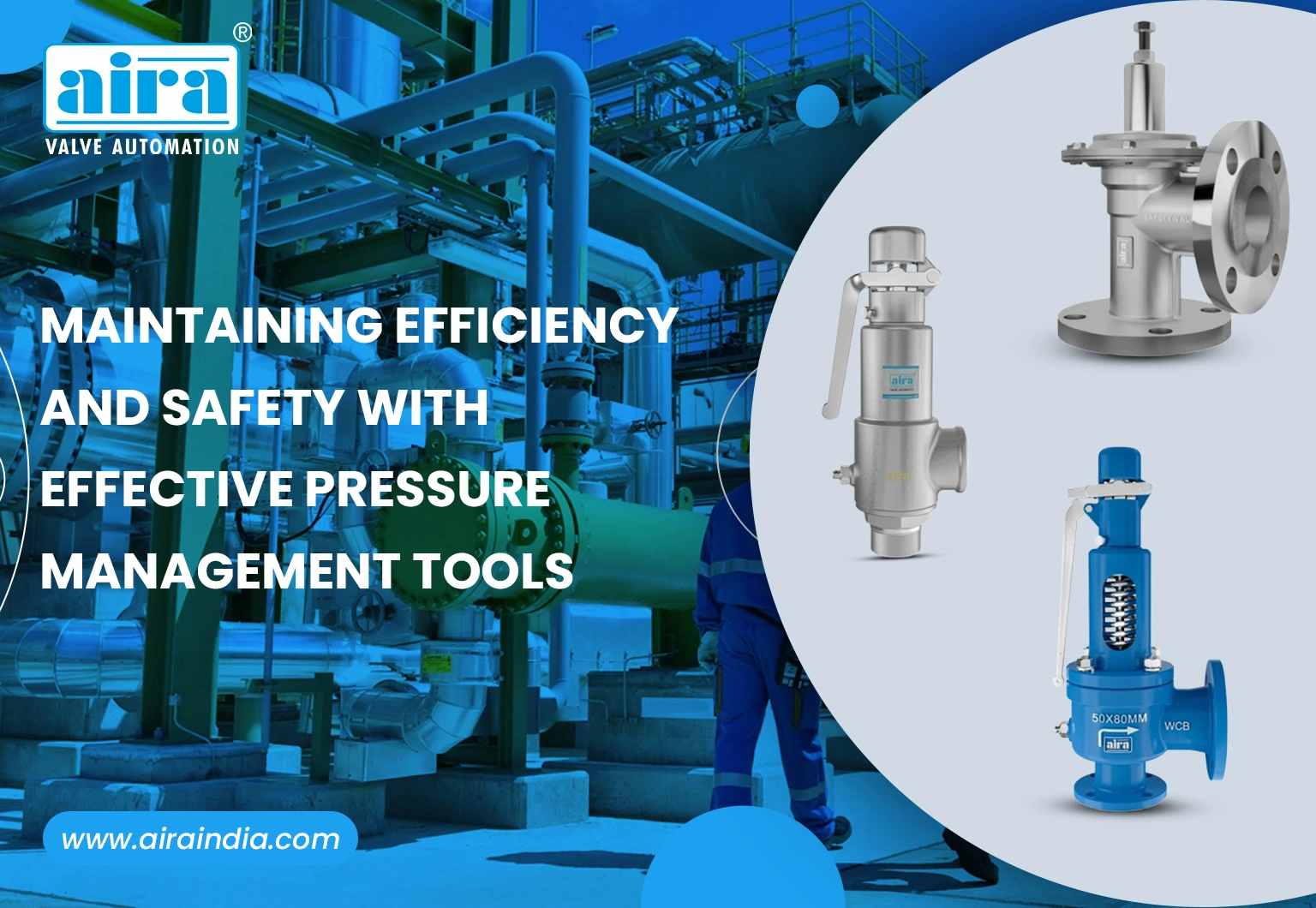
Industrial operations thrive on stability, and one of the most important factors behind that stability is maintaining the right pressure level. From manufacturing plants to energy systems, every process depends on controlled pressure to function smoothly. Any imbalance can disrupt efficiency, damage the equipment, or even lead to a security risk.
This makes pressure management an important part of the industrial strategy, it affects the correct balance between security and productivity. In many solutions available, pressure relief valves play a central role, ensuring that additional pressure is safely released, keeping operations efficient and reliable.
Why Pressure Management is Important for Industrial Operations
In the industrial environment, uncontrolled pressure can quickly lead to serious risks such as equipment stress, energy loss, and even workplace accidents. The ups and downs pressure not only threatens security but also reduces the overall efficiency of operation, causing inconsistent production and unnecessary wear on the machinery.
These disabilities often translate to high energy consumption, frequent maintenance, and unexpected downtime. By adopting smart pressure management practices and equipment, industries can stabilize their processes, reduce risks, and improve productivity. Effective control not only ensures safety compliance, but also extends the equipment expands life and runs smoothly without expensive interruptions.
The Role of Pressure Relief Valves in Industrial Safety
The pressure relief valve is essential components in maintaining safe and reliable operations in industries. Their main function lies in regulating additional pressure by automatically opening when the pressure level exceeds the safe range and closing once the conditions are normal. This automatic intervention ensures that tools and pipelines are protected from dangerous overpressurized conditions that may otherwise lead to leaks, bursts, or system failures.
By stopping such incidents, pressure relief valves not only protect workers and assets but also enable procedures to run smoothly without disruption. In short, they serve as an important line of defense, ensuring both safety and operational continuity.
Enhancing Efficiency Through Advanced Pressure Relief Valve Technology
Modern industrial operations demand more than safety; they require efficiency, reliability and cost-efficiency. Advanced pressure relief valves are designed to meet these demands by combining rapid response with smart technical integration.
These valves not only prevent overlapping conditions but also help in maintaining the performance of the system, reducing energy consumption, and supporting future maintenance strategies. By taking advantage of these innovations, industries can achieve smooth workflows, reduce downtime, and optimize overall productivity.
Accurate and Quick Reaction Mechanism
Today’s valve is manufactured to react almost immediately to the changing pressure state. This rapid response ensures stable flow, energy reduces waste, and reduces the wear on equipment, supporting both safety and efficiency.
Integration with Control Systems
Integrated pressure relief valves with digital control systems enable real-time monitoring, future maintenance, and automatic alerts. This active approach helps operators to prevent unplanned shutdowns, streamline operations, and maintain constant, efficient production.
Key Industrial Applications of Pressure Relief Valves
Pressure relief valves are indispensable in a wide range of industrial applications, ensuring both safety and operational efficiency. In a boiler system, they manage thermal pressure, prevent dangerous overflow conditions that can damage equipment or disrupt procedures. Within pipelines, these valves prevent sudden pressure, protect the integrity of the network, and reduce downtime.
Also read, Smart Pressure Control Solutions for Modern Industrial Facilities
In Chemical plants, they safely handle dangerous media, which reduces the risk of leaks or accidents. Additionally, in HVAC systems and utilities, the pressure relief valve system maintains balance efficiently, ensuring smooth operations and coherent performances in complex industrial setups. His versatility makes him the foundation stone of modern industrial safety strategies.
Material and Design Considerations for Reliable Pressure Relief Valves
It is important to select the right material and engineering design for the long-term reliability of the pressure relief valve. Strong content options such as stainless steel and high temperature alloys ensure durability and resistance to wear, while maintaining specific media is handled and maintaining compatibility.
Strong Material Options
High-quality materials prevent rust, erosion, and chemical decline, ensuring that valves act safely and efficiently for an expanded period. Media compatibility is necessary to avoid material failure and maintain system integrity.
Engineering for Long-term Performance
Advanced engineering leak-tang sealing focuses on corrosion resistance, which also ensures frequent performance under pressure fluctuations. Proper design increases reliability, reduces maintenance needs, and expands the service life of industrial systems.
Selecting the Right Pressure Relief Valve for Optimal Results
It is necessary to choose the right pressure relief valve for safe and efficient industrial operations. Major factors include pressure range, fluid type, and system size, all of which affect performance and longevity.
Counseling experts can help identify the most suitable valve for specific applications. Proper size, installation, and regular maintenance ensure reliable operations, prevent expensive downtime, and maximize both safety and efficiency in industrial systems.
Conclusion
Effective pressure management is important to maintain both safety and operational efficiency in industrial systems. Pressure relief valves serve as important tools, protect equipment, and ensure smooth processes. For optimal results, see solutions sewn from a reliable valve manufacturer to meet the specific requirements of your industrial setup.