
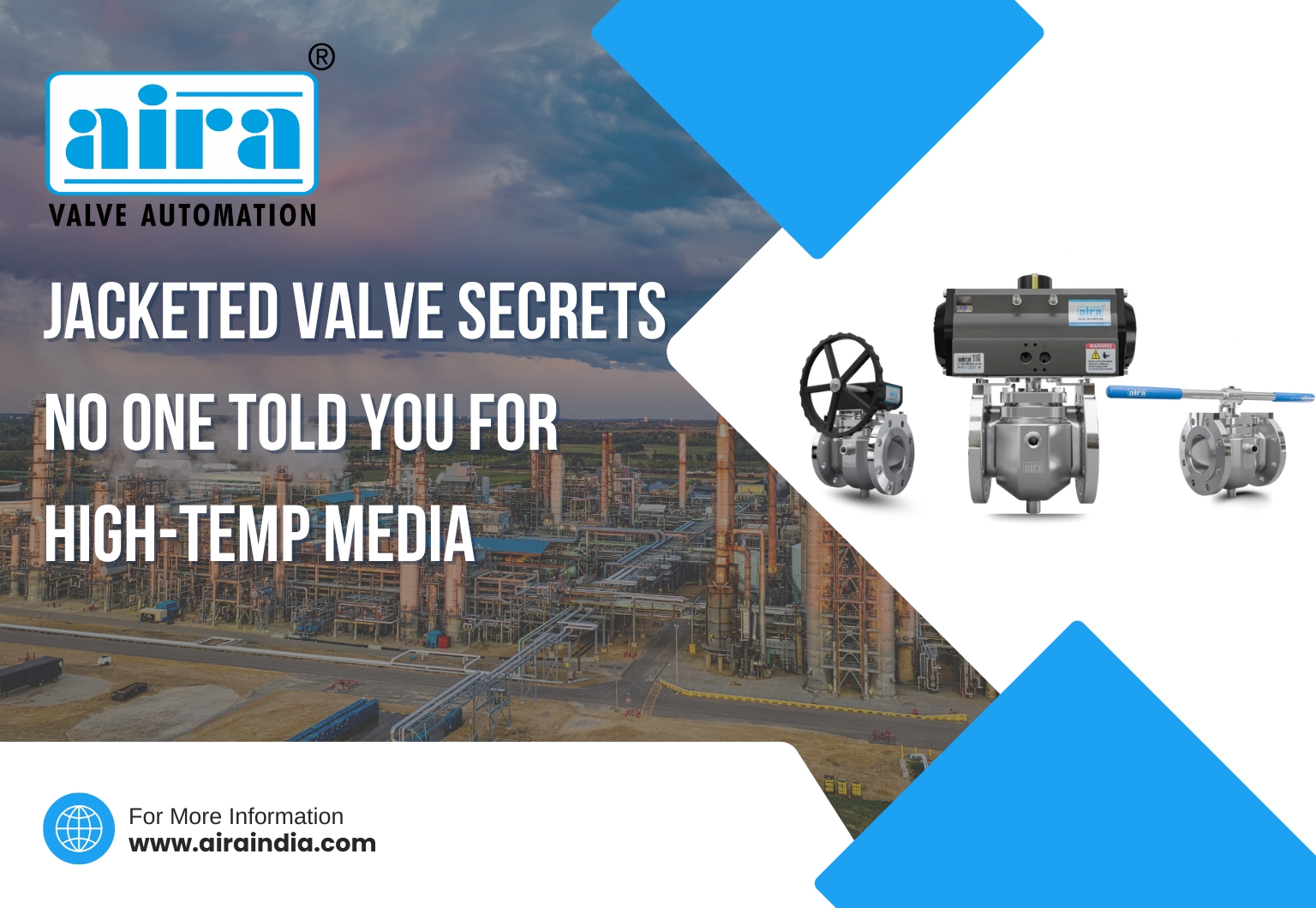
Handling high-temperature media is no easy job in industrial operations. When fluids start to thicken, solidify, or behave unpredictably due to extreme temperatures, even the most robust systems can struggle. This is exactly where jacketed plug valves step in as a game-changer. They solve thermal management challenges and ensure smooth flow—something every plant engineer silently wishes for. In this blog, you’ll uncover some underrated secrets that boost reliability, efficiency, and long-term performance when working with high-temperature media.
Why High-Temperature Media Require Special Valve Design
High-temperature fluids put severe stress on the standard plug valve. Excessive heat can cause internal components to distort, accelerate material degradation, and lead to leakage due to thermal expansion. Such failures don’t just affect performance— they can compromise plant safety, increase downtime, and reduce production efficiency.
This is one reason why jacketed valve designs become essential. Their built-in jackets maintain steady temperatures around the valve body, preventing the media inside from cooling or solidifying. In industries like chemicals, bitumen, polymers, and food processing, this is the only reliable way to maintain flow consistency and prevent costly shutdowns.
What Makes a Jacketed Plug Valve Different
A jacketed plug valve isn’t just a normal valve with an extra layer—it’s an engineered component built for thermal stability. It features a hollow outer body or integrated jacket designed to circulate heating or cooling fluids around the valve chamber. This circulating medium helps maintain a uniform temperature, preventing viscosity changes or solidification of the main process fluid.
These valves typically use corrosion-resistant alloys and high-temperature materials to withstand extreme conditions. The added insulation features also minimize heat loss and support smoother operation. The real secret? Choosing the right jacketed plug valve doesn’t just handle heat better—it extends valve life, prevents blockage, and keeps your entire processing line running efficiently.
Common Mistakes Operators Make with Jacketed Plug Valves
Ignoring Thermal Expansion Calculations
Many operators underestimate how much metal can expand under high temperatures. When expansion isn’t calculated correctly, valves may jam, leak, or fail prematurely.
Tip: Always ensure the valve’s design tolerances match the expected operating temperature of your piping system. This will keep your system stable, even under extreme heat.
Poor Jacket Circulation Management
Some installations suffer because the jacket doesn’t receive proper heating or cooling flow. If the jacket circulation is weak, the valve won’t maintain the right temperature, defeating the entire purpose of using a jacketed design.
Tip: Maintain an adequate flow rate and pressure in the jacket loop to ensure uniform thermal performance.
Maintenance Secrets for Long-Term Reliability
To get the longest life from jacketed plug valves, you need a routine maintenance plan. Start with regular inspections of sealing surfaces, as high-temperature environments often cause wear. Use high-temp compatible lubricants to avoid plug sticking and ensure smooth operation.
Also read, IBR, ISO & Fire-Safe Certification: Why Compliance Matters in Plug Devices
Gaskets and packing materials must be certified for high-temperature service; otherwise, they degrade quickly and lead to leaks. Another must-do: inspect the jacket for corrosion, scaling, or blockages. If the jacket clogs, the temperature control fails, and performance drops significantly.
Preventive maintenance may seem small, but it prevents unexpected breakdowns and protects valuable high-temperature media.
Selecting the Right Jacketed Plug Valve for Your Application
Every high-temperature process demands specific valve characteristics. Start by matching the material grade and pressure rating to your media type. Take note of the operating temperature range and how much thermal conductivity you require.
Installation type and insulation level also play important roles in performance. Most importantly, always work with a trusted supplier.
Aira Euro Automation provides high-quality jacketed plug valves designed for demanding high-temperature applications, ensuring both durability and efficiency.
Conclusion
Jacketed plug valves are essential for anyone managing high-temperature media. With proper selection, installation, and maintenance, they boost reliability, prevent solidification, and enhance overall system performance.
Want a proven, durable solution? Explore Aira Euro Automation’s advanced jacketed plug valves to upgrade your high-temperature operations.