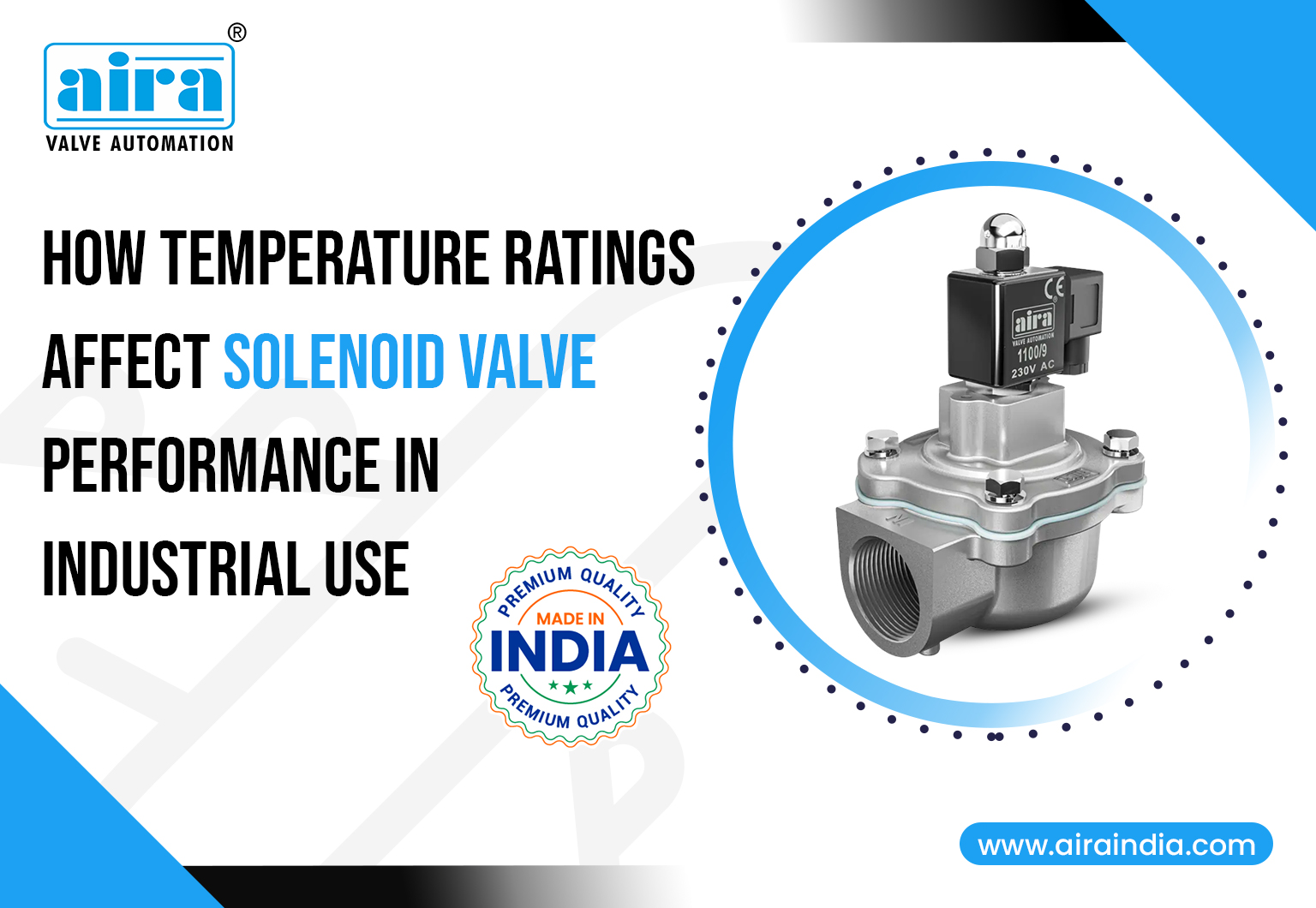
In industrial applications, solenoid valves play a vital role in controlling the flow of liquids, gases, steam, and other process media across automated systems. Whether installed in chemical processing plants, power stations, pharmaceutical facilities, food processing units, or water treatment systems, these valves help ensure accurate flow control and reliable process automation.
One factor that is often overlooked during valve selection is the solenoid valve rating, particularly its operating temperature range. While pressure ratings and connection types are commonly considered, selecting a valve without evaluating its temperature capability can significantly affect its performance and service life.
Industrial systems often operate under extreme temperature conditions. Some applications involve superheated steam and hot oil, while others handle refrigerated gases or cryogenic fluids. If the selected valve cannot withstand these operating temperatures, it may experience seal failure, coil damage, delayed actuation, leakage, or complete operational failure.
Choosing the correct solenoid valve rating helps improve reliability, reduces maintenance costs, and ensures safe operation under demanding industrial conditions. Whether selecting a high temperature solenoid valve for steam applications or a low temperature solenoid valve for refrigeration systems, understanding temperature ratings is essential for long-term performance.
In this article, we’ll explain how temperature ratings affect solenoid valve performance, the challenges associated with high and low operating temperatures, and practical tips for selecting the right valve for your industrial application.
Why Solenoid Valve Ratings Matter in Industrial Applications
Every industrial solenoid valve is designed to operate within a specific temperature range. These ratings define the minimum and maximum temperatures at which the valve can function safely without affecting its mechanical or electrical performance.
Temperature ratings are important because excessive heat or extreme cold directly impacts various valve components, including:
- Solenoid coil
- Elastomer seals
- Valve body
- Internal moving parts
- Electrical insulation
- Magnetic performance
When a valve operates outside its recommended temperature range, these components may begin to deteriorate, resulting in reduced efficiency and unexpected downtime.
Selecting the appropriate solenoid valve rating helps ensure:
- Reliable valve operation
- Longer equipment life
- Reduced maintenance
- Improved process safety
- Better energy efficiency
- Consistent flow control
For industries where uninterrupted production is critical, matching the valve temperature rating to the operating environment is just as important as selecting the correct pressure rating.
What are Solenoid Valve Temperature Ratings?
Before selecting any industrial solenoid valve, it is important to understand what the temperature rating actually represents. A temperature rating specifies the operating temperature limits within which the valve is designed to function safely and efficiently.
These ratings apply not only to the fluid or gas flowing through the valve but also to the surrounding ambient temperature. Both conditions influence valve performance and should be considered during product selection.
A temperature rating in solenoid valves refers to the minimum and maximum temperatures the valve can safely operate within the range. These ratings are not limited to the medium (fluid or gas) passing through the valve but also include the ambient environment where the valve is installed.
There are typically three temperature range categories
- Low-temperature range: As low as -50°C, suitable for cryogenic or freezing environments.
- Standard range: Between 0°C to 80°C, ideal for most general industrial applications.
- High-temperature range: Up to 180°C or more, used in steam systems or high-heat processing lines.
Matching the solenoid valve temperature rating to your application is vital. Using a valve beyond its recommended limits may lead to operational failures like coil damage, slow actuation, seal hardening, and even explosion hazards in pressurized environments.
At Aira Euro Automation, we manufacture a broad range of temperature-rated solenoid valves that ensure reliable performance, energy efficiency, and operational safety across industries.
Factors That Affect Solenoid Valve Performance at Different Temperatures
Temperature alone is not the only factor that determines valve performance. Several design elements influence how efficiently a solenoid valve performs under hot or cold operating conditions.
Coil Insulation
The electromagnetic coil generates heat during operation. High-temperature applications require insulation materials capable of withstanding continuous heat without degrading.
Seal Material
Valve seals play an important role in preventing leakage. Materials such as NBR, EPDM, Viton, and PTFE perform differently depending on the operating temperature and media compatibility.
Valve Body Material
Brass, stainless steel, and engineering plastics expand differently under heat. Selecting the appropriate body material improves durability and helps maintain reliable sealing.
Ambient Temperature
The surrounding environment can be just as important as the process media. Outdoor installations, boiler rooms, and refrigerated facilities all create different operating conditions that affect valve performance.
Operating Cycle
Frequently actuated valves generate more internal heat than valves used occasionally. Continuous-duty applications require valves designed for higher thermal loads.
Considering all these factors helps industries choose the correct high temperature solenoid valve or low temperature solenoid valve based on actual operating conditions rather than only media temperature.
Performance Impacts of High & Low Temperatures
Before discussing specific temperature conditions, it is important to understand that excessive heat and extreme cold affect valves in different ways. High temperatures mainly impact electrical components and sealing materials, whereas low temperatures influence response time, material flexibility, and condensation.
Choosing the correct solenoid valve rating helps minimize these challenges and ensures consistent valve operation throughout the system.
High Temperature Applications
Industrial processes involving steam, thermal oil, hot water, and heated chemicals demand valves that can operate continuously under elevated temperatures. In such environments, selecting a high temperature solenoid valve is essential to maintain reliable operation and prevent unexpected equipment failures.
A standard solenoid valve may perform well under normal operating conditions, but prolonged exposure to excessive heat can reduce the lifespan of the coil, damage sealing materials, and affect overall valve performance. High-temperature solenoid valves are specifically designed with heat-resistant materials, high-grade insulation, and durable sealing components to withstand demanding industrial environments.
In industries like pharmaceuticals, food & beverage, chemical processing, and oil refining, high-temperature fluids or gases are often involved. Applications include handling steam, hot air, oil, or heated chemicals.
Additional Benefits of High Temperature Solenoid Valves
Using a high temperature solenoid valve offers several operational advantages:
- Improved resistance to thermal stress
- Longer coil life
- Reliable sealing under elevated temperatures
- Reduced maintenance frequency
- Better process safety
- Consistent valve performance during continuous operation
These advantages make them suitable for steam lines, boiler systems, heat exchangers, thermal oil circulation, and various high-temperature industrial processes.
Low Temperature Applications
Cold operating environments create a different set of challenges for industrial automation systems. Refrigeration plants, cryogenic facilities, food processing units, and outdoor installations often require valves capable of operating reliably at sub-zero temperatures.
A low temperature solenoid valve is specially designed using materials that remain flexible and functional even in freezing conditions. These valves help maintain smooth operation without affecting flow control or sealing performance.
Low temperatures pose a different set of challenges. Cryogenic plants, refrigerated systems, and outdoor pipelines in cold climates are exposed to extreme cold.
Why Low Temperature Solenoid Valves Are Important
Low temperature applications require specially designed valves because ordinary valve components may become brittle or lose their flexibility when exposed to freezing conditions.
A properly selected low temperature solenoid valve helps:
- Maintain reliable valve actuation
- Prevent seal cracking
- Reduce condensation-related failures
- Improve system safety
- Ensure uninterrupted flow control
These valves are commonly used in refrigerated warehouses, LNG facilities, medical gas systems, cryogenic applications, and industrial cooling plants.
Common Industrial Temperature Challenges
Every industry has unique operating conditions that influence valve selection. Temperature is one of the most important factors because it directly affects valve materials, sealing performance, and actuator reliability.
Different industries have unique temperature-related requirements· Below are some key industries and how temperature ratings affect their solenoid valve performance:
Oil & Gas Industry
Operates in high-temperature zones, especially when dealing with hydrocarbons.
Requires metal-seated valves and thermally protected coils to prevent leakage and burnout.
Pharmaceutical & Food Industry
Uses steam for sterilization and CIP (Clean-In-Place) systems.
Demands valves that can withstand repeated heating and cooling without seal wear.
Chemical Processing
Some chemicals are volatile or reactive at different temperatures.
Solenoid valves must be resistant to thermal stress and chemical corrosion.
Also, read Solenoid Valve Mechanism, Advantages & Disadvantages
Power Plants
Involves high-pressure steam lines.
Requires valves with both high thermal resistance and pressure durability·
How to Select the Right Solenoid Valve Rating
Selecting the correct solenoid valve rating requires more than checking the operating temperature alone. Several factors should be considered to ensure reliable long-term performance.
Before choosing a solenoid valve, evaluate the following:
Process Media
Different media such as steam, compressed air, water, chemicals, LPG, or cryogenic gases require different sealing materials and valve constructions.
Operating Temperature
Always consider both media temperature and surrounding ambient temperature during valve selection.
Pressure Rating
Ensure the valve pressure rating matches your operating conditions to maintain safe and efficient performance.
Seal Material Compatibility
Selecting the appropriate seal material significantly improves valve reliability.
Common sealing materials include:
- NBR
- EPDM
- Viton
- PTFE
Each material performs differently under varying temperatures and chemical exposure.
Coil Insulation Class
For high-temperature applications, selecting Class H insulated coils helps improve operational reliability and extends coil life.
Valve Body Material
Choose brass, stainless steel, or engineering plastics depending on process conditions and corrosion resistance requirements.
By considering these factors together, industries can select the most suitable high temperature solenoid valve or low temperature solenoid valve for their applications.
Tips to Avoid Temperature-Related Failures
Preventing temperature-related valve failures begins with proper product selection and regular maintenance. Even a high-quality solenoid valve can experience performance issues if it is operated beyond its recommended temperature limits or installed incorrectly.
Additional Best Practices
To maximize valve life and performance:
- Follow manufacturer installation guidelines.
- Inspect seals periodically for signs of wear.
- Verify electrical connections during routine maintenance.
- Replace damaged coils before complete failure occurs.
- Monitor operating temperatures using appropriate instrumentation.
Following these practices helps improve valve reliability while reducing unexpected maintenance costs.
Common Mistakes When Selecting a Solenoid Valve for Temperature-Sensitive Applications
Even high-quality industrial solenoid valves can experience performance issues if the wrong temperature rating is selected. Many valve failures occur not because of manufacturing defects but due to improper valve selection or incorrect installation practices.
Some common mistakes include:
Ignoring Ambient Temperature
Many users only consider the temperature of the process media while overlooking the surrounding environment. High ambient temperatures can overheat the solenoid coil, while freezing conditions may affect valve actuation.
Selecting Standard Seals for High-Temperature Applications
Using standard sealing materials in steam or high-temperature systems can result in seal hardening, leakage, and reduced valve life. Always select sealing materials suitable for the operating temperature.
Using a Standard Valve for Cryogenic Applications
Low-temperature environments require specially designed low temperature solenoid valves with materials that remain flexible at sub-zero temperatures. Standard valves may become brittle and fail under such conditions.
Ignoring Coil Insulation Class
Coil insulation plays a significant role in determining valve durability. High-temperature applications generally require Class H insulated coils to withstand continuous exposure to elevated temperatures.
Skipping Preventive Maintenance
Routine inspection of coils, seals, and electrical connections helps identify early signs of wear before they affect production.
Avoiding these common mistakes can significantly improve valve reliability and reduce unexpected downtime.
Conclusion
Temperature ratings are one of the most important factors to consider when selecting an industrial solenoid valve. Whether your system operates under extremely high temperatures or freezing conditions, choosing the correct solenoid valve rating helps improve reliability, reduce maintenance, and ensure safe process operation.
Applications involving steam, thermal oil, chemicals, cryogenic gases, and refrigerated systems require valves specifically designed for their operating conditions. A high temperature solenoid valve provides dependable performance in demanding heat-intensive processes, while a low temperature solenoid valve ensures reliable operation in cold and cryogenic environments.
By considering factors such as media temperature, ambient conditions, seal material, coil insulation, and pressure requirements, industries can select the right valve for long-term operational efficiency.
Choosing the correct temperature-rated solenoid valve is not only about improving performance—it is also about protecting equipment, reducing operational costs, and maintaining uninterrupted production.
Looking for Reliable Temperature-Rated Solenoid Valves?
Selecting the right solenoid valve rating is essential for maintaining safe, efficient, and reliable industrial operations. At Aira Euro Automation, we manufacture a comprehensive range of industrial solenoid valves designed to perform in both high-temperature and low-temperature applications.
Whether you need a high temperature solenoid valve for steam systems or a low temperature solenoid valve for refrigeration and cryogenic applications, our team can help you select the right solution based on your operating conditions.
Explore our industrial valve solutions or get in touch with our technical experts for product recommendations tailored to your application.
Visit: www.airaindia.com/contact
Frequently Asked Questions
What is a solenoid valve rating?
A solenoid valve rating defines the operating limits of the valve, including its temperature and pressure capabilities. Selecting the correct rating helps ensure reliable performance, safety, and longer service life.
Why is temperature rating important for a solenoid valve?
Temperature directly affects the solenoid coil, sealing materials, and internal components. Using a valve outside its recommended temperature range can result in leakage, coil failure, premature wear, and reduced operational efficiency.
What is a high temperature solenoid valve?
A high temperature solenoid valve is specially designed for applications involving steam, hot oil, heated chemicals, and other high-temperature media. These valves utilize heat-resistant coils and sealing materials to maintain reliable performance under demanding conditions.
Where are low temperature solenoid valves used?
Low temperature solenoid valves are commonly used in cryogenic systems, refrigeration plants, LNG facilities, cold storage warehouses, medical gas systems, and industrial cooling applications where reliable flow control is required at very low temperatures.
How do I choose the right solenoid valve rating?
Consider factors such as process media, operating temperature, ambient temperature, pressure rating, body material, seal compatibility, and coil insulation class before selecting a solenoid valve. Proper evaluation of these parameters helps ensure safe and efficient valve operation.