As buildings continue to grow taller, maintaining proper water pressure across multiple floors becomes one of the biggest challenges in plumbing system management. In high-rise buildings, water pressure naturally changes from floor to floor due to gravity and elevation differences. Lower floors usually experience extremely high pressure, while upper floors may face inconsistent water flow.
Without proper pressure control, excessive water pressure can damage pipelines, fittings, bathroom fixtures, and connected plumbing equipment. This is why Pressure Reducing Valves (PRVs) are widely used in residential, commercial, and industrial high-rise buildings.
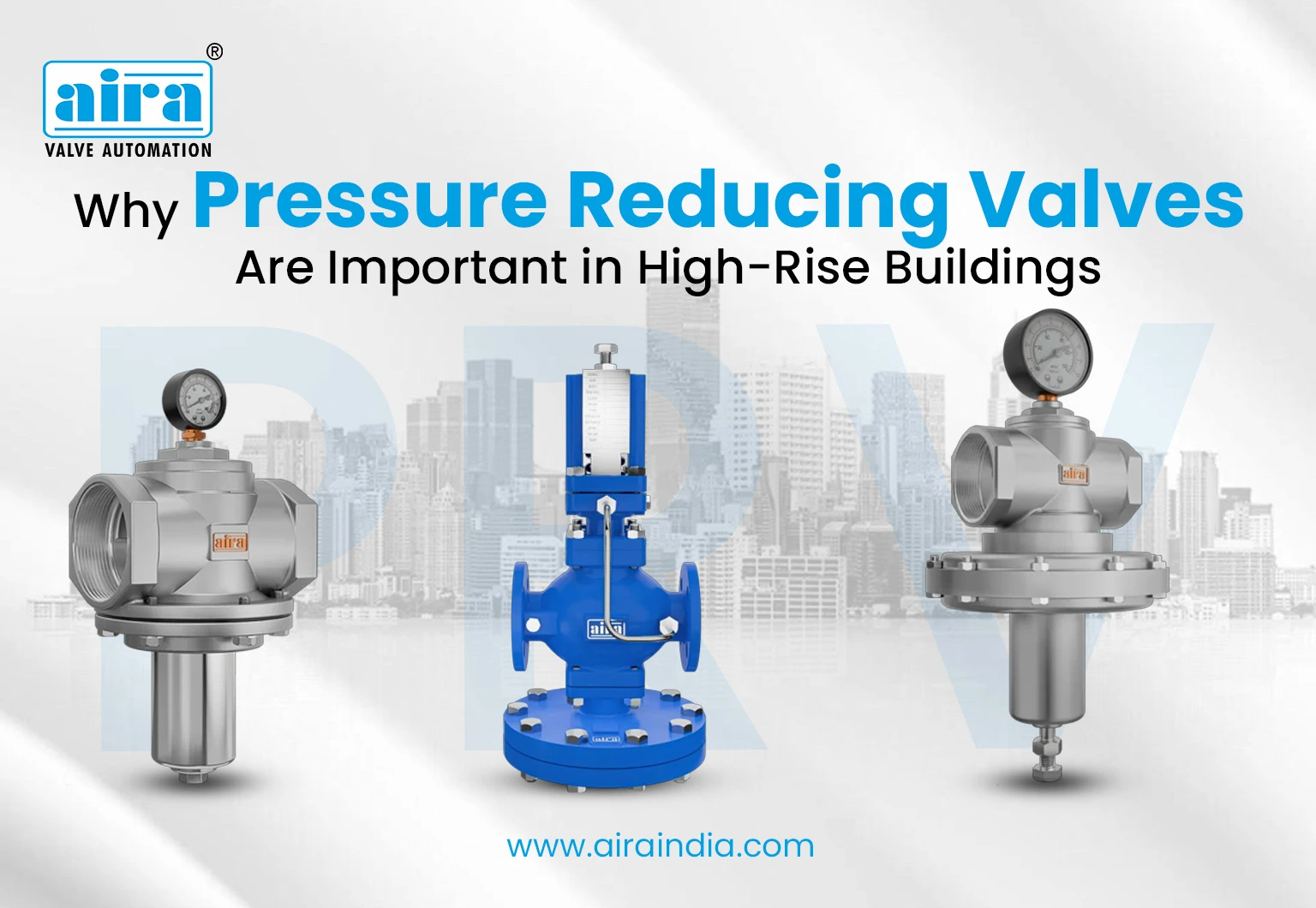
A Pressure Reducing Valve helps regulate and stabilize water pressure within the plumbing system, ensuring safe and balanced water distribution throughout the building.
What is a Pressure Reducing Valve?
A Pressure Reducing Valve (PRV) is a mechanical valve designed to reduce high incoming water pressure to a controlled and stable level. These valves automatically maintain safe pressure conditions within pipelines and help protect plumbing systems from excessive pressure damage.
PRVs are commonly installed in water supply systems where pressure fluctuations can affect operational efficiency and plumbing safety. In high-rise buildings, they play an important role in maintaining smooth water flow across different floors.
Also Read: How Can You Save Water Using Pressure Reducing Valves
Why Pressure Control is Important in High-Rise Buildings
In multi-storey buildings, water pressure varies depending on the floor level and the height of the water storage system. As the water travels downward, pressure increases on lower floors. Without proper pressure regulation, this imbalance can create several operational and maintenance issues.
Some common problems caused by excessive water pressure include:
- Pipe leakage and joint failure
- Burst pipelines
- Damage to plumbing fixtures
- Uneven water distribution
- Water wastage
- Increased maintenance costs
- Noise and vibration in pipelines
Pressure Reducing Valves help maintain balanced pressure zones throughout the building and improve the overall efficiency of the plumbing system.
Assume that we are on the first floor of a building and the water tank is placed on the terrace without a PRV. What happens when we turn on the faucet? The water comes out with full pressure because of the large amount of water stored on the top of the building. This high pressure can damage plumbing fittings and bathroom fixtures.
When we move to the top floor of the same building and turn on the faucet, we may barely feel the water pressure because the pressure would not be sufficient for smooth water flow.
So here we can see that as we move down in high-rise buildings, the water pressure increases on every floor. To solve this problem and distribute water at a safe and usable pressure point, Pressure Reducing Valves are installed near the water storage system and pressure zones.
How Much Water Pressure is Adequate in High-Rise Buildings?
In residential and light commercial buildings, the ideal water pressure generally ranges between 2 to 5 bars. If the pressure is lower than 2 bars, water flow may not be sufficient for showers and plumbing fixtures. If the pressure exceeds 5 bars, it can lead to water wastage, leakage, and damage to pipeline joints.
Generally, municipal water distribution systems operate around 3 to 4 bars at ground level. In high-rise buildings, the water pressure depends on several factors such as building height, tank position, and water quantity inside the storage tank.
When the water tanks are full, the pressure may become extremely high on lower floors. As the water level decreases, the pressure also changes. This continuous fluctuation makes proper pressure management essential for maintaining stable water flow.
How to Manage Water Pressure?
As discussed above, water pressure in high-rise buildings varies from floor to floor. To achieve stable and equal water pressure throughout the building, multiple Pressure Reducing Valves are often installed at different pressure zones.
The installation depends on:
- Building height
- Number of floors
- Water tank placement
- Plumbing design
- Water demand requirements
Properly designed pressure management systems help maintain safe operating conditions and improve the overall reliability of plumbing infrastructure.
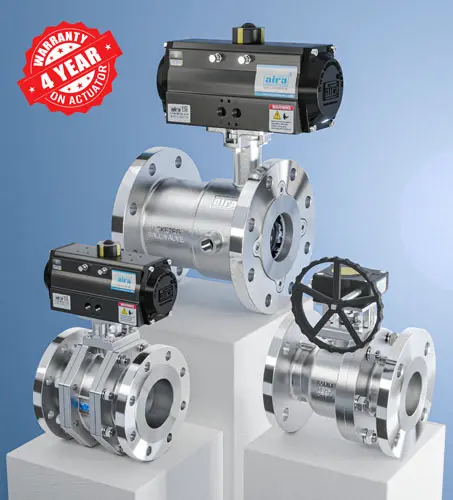
For efficient plumbing system performance, many modern buildings also integrate products such as butterfly valve and ball valve solutions along with pressure control systems.
Benefits of Using Pressure Reducing Valves
Installing Pressure Reducing Valves in high-rise buildings offers several operational and maintenance benefits.
Protects Pipelines and Plumbing Fixtures
Excessive pressure can weaken pipelines, fittings, taps, and connected equipment over time. PRVs help maintain safe operating pressure and reduce plumbing damage.
Reduces Water Leakage
High water pressure is one of the major causes of leakage in residential and commercial plumbing systems. Pressure control valves help minimize unnecessary water loss.
Improves Water Distribution
Balanced pressure allows smoother water flow across all floors, including upper levels where pressure fluctuations are common.
Minimizes Maintenance Costs
Stable pressure reduces wear and tear on plumbing systems, lowering repair frequency and long-term maintenance expenses.
Enhances Plumbing System Safety
Controlled pressure improves the reliability and safety of plumbing infrastructure by reducing sudden pressure surges and system stress.
Looking for Reliable Water Pressure Reducing Valves?
Aira Euro Automation offers high-performance Pressure Reducing Valves designed for efficient water pressure management in high-rise buildings and industrial plumbing systems. Proper pressure control helps protect pipelines, reduce leakage, and improve overall plumbing performance across multiple applications.
For product inquiries or technical assistance, visit our contact us page
Frequently Asked Questions
What is a Pressure Reducing Valve?
A Pressure Reducing Valve (PRV) is used to regulate and stabilize water pressure in plumbing systems to protect pipelines and fixtures from excessive pressure.
Why are PRVs important in high-rise buildings?
PRVs help maintain balanced water pressure across multiple floors and reduce plumbing damage caused by excessive pressure.
Can high water pressure damage plumbing systems?
Yes, excessive water pressure can cause leakage, damaged fittings, burst pipelines, and reduced equipment lifespan.
Where are Pressure Reducing Valves installed?
They are commonly installed near water supply lines and pressure zones in residential, commercial, and industrial buildings.
How do PRVs help reduce maintenance costs?
By controlling excessive pressure, PRVs minimize wear and tear on plumbing systems and reduce repair frequency.