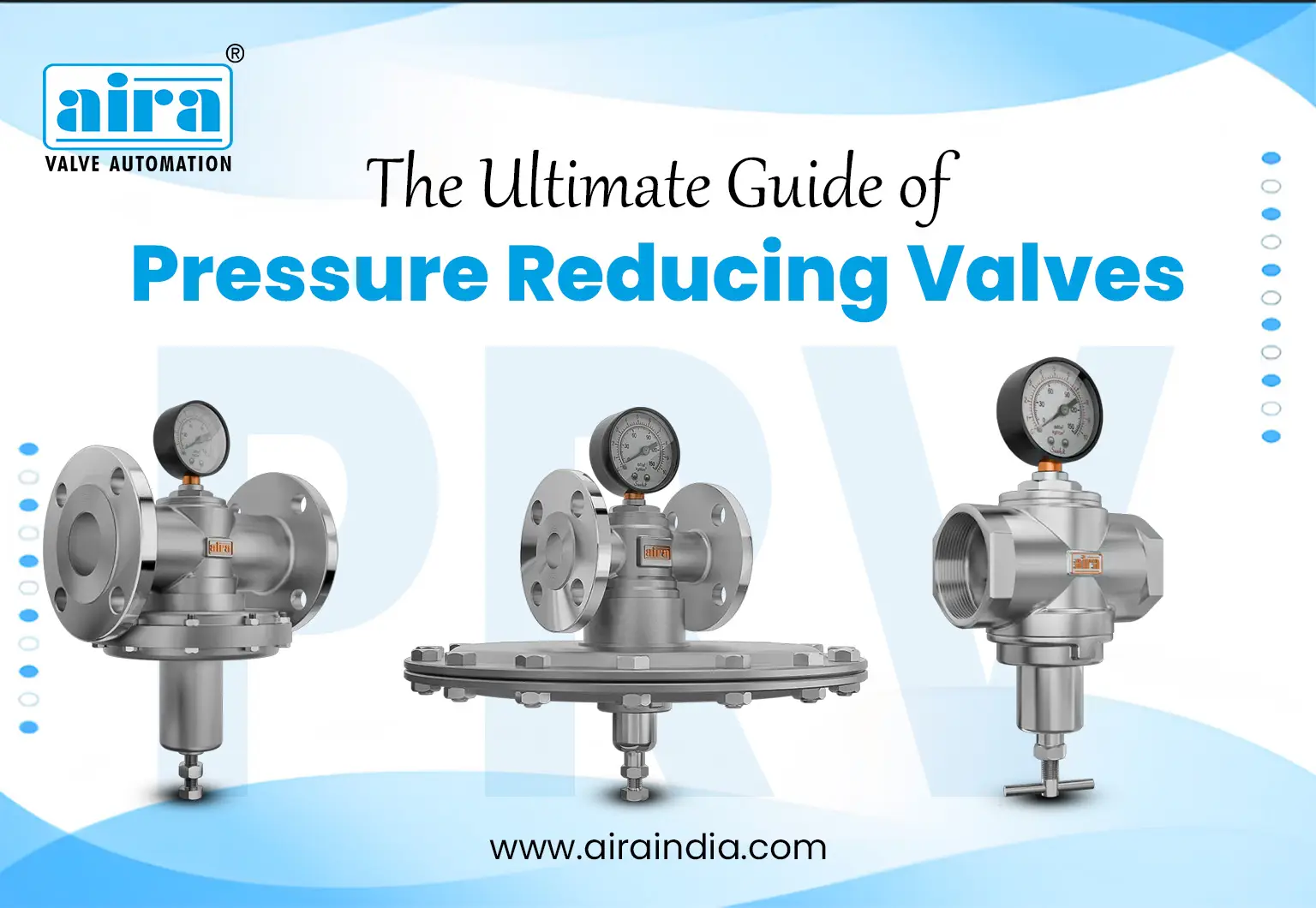
Pressure plays a critical role in every fluid handling system, whether it involves water, steam, compressed air, gas, or other industrial media. Maintaining the correct pressure is essential for ensuring smooth operation, protecting pipelines, improving equipment life, and maintaining overall process efficiency. While some applications require high pressure to move fluids effectively, others require controlled pressure to protect downstream equipment and maintain safe operating conditions.
This is where a PRV valve becomes an important part of any piping system. A pressure reducing valve automatically regulates excessive inlet pressure and delivers a stable outlet pressure, helping prevent pipe damage, equipment failure, water wastage, and unnecessary maintenance.
Pressure reducing valves are widely used in residential buildings, commercial facilities, industrial processing plants, HVAC systems, steam applications, and water distribution networks. Selecting the right PRV improves system reliability while reducing operating costs over the long term.
In this guide, we’ll explain everything you need to know about pressure reducing valves, including how they work, their types, major applications, benefits, and how to choose the right PRV valve for your system.
What is Pressure Reducing Valve?
A pressure reducing valve (PRV valve) is designed to automatically reduce high inlet pressure and maintain a constant downstream pressure regardless of fluctuations in the upstream supply.
Unlike isolation valves, a pressure reducing valve is not intended to start or stop fluid flow. Instead, its primary purpose is to regulate pressure so that downstream equipment operates safely and efficiently.
PRVs are commonly used for controlling the pressure of:
- Water
- Steam
- Compressed Air
- Industrial Gases
- Process Fluids
A properly selected PRV valve helps maintain stable outlet pressure with an accuracy ranging from approximately 1% to 10%, depending on the valve design and application.
Maintaining controlled pressure not only improves operational efficiency but also protects pipelines, pumps, valves, and process equipment from excessive pressure-related damage.
Types of PRV and How Does a Pressure Reducing Valve Work?
Pressure reducing valves are generally classified into two main categories based on their operating mechanism.
Direct-Acting Pressure Reducing Valve
A direct acting PRV is the simplest and most commonly used type of pressure reducing valve. It operates using a spring-loaded diaphragm installed inside the valve body.
As fluid flows through the valve, the spring and diaphragm work together to regulate the downstream pressure according to the desired set point. When outlet pressure changes, the diaphragm automatically adjusts the valve opening to maintain consistent pressure.
This is a normally open condition valve that has a spring connected diaphragm inside the body. The fluid has to pass through the spring connected diaphragm and the diaphragm sets for the desired outlet flow pressure. This is a simple mechanism of Pressure Reducing Valve called Direct-acting, which can reduce the outlet pressure up to 10% of inlet pressure.
Advantages of Direct-Acting PRV
- Simple construction
- Easy installation
- Cost-effective solution
- Suitable for low to medium flow applications
- Minimal maintenance requirements
Pilot Operated Pressure Reducing Valve
Pilot-operated pressure reducing valves are designed for applications requiring greater pressure control accuracy, larger flow capacity, and improved performance under varying operating conditions.
Unlike direct-acting valves, pilot-operated PRVs use two integrated valves—a pilot valve and a main valve—to regulate downstream pressure more precisely.
This type of pressure reducing valve has two separate valves- a pilot and main valve – in one unit. This valve’s designed the same as a direct-acting valve. In this valve, there is a control chamber that receives flow from the inlet port through a tiny downstream line.
In this Pilot Operated Valve, When consumption of fluid increases at the outlet point
- The tiny downstream pressure drops
- Pilot opens
- The control chamber pressure drops, and the main valve opens
When the consumption of fluid decreases at the outlet point
- The tiny downstream pressure rises
- Pilot closes
- The control chamber pressure rises, and the main valve closes
When the upstream pressure at the inlet point decreases
- The tiny downstream pressure drops
- Pilot opens
- The control chamber pressure drops, and the main valve opens
When the upstream pressure at the inlet point increases
- The tiny downstream pressure rises
- Pilot closes
- The control chamber pressure rises, and the main valve closes
Why Choose a Pilot Operated PRV?
Pilot-operated pressure reducing valves are commonly selected for:
- High-flow industrial systems
- Steam distribution networks
- Municipal water supply systems
- Chemical processing plants
- High-rise building water systems
- Industrial utility services
Their ability to maintain stable downstream pressure under changing flow conditions makes them suitable for demanding industrial applications.
Why Install PRV?
As we know, a PRV valve is designed to reduce and regulate fluid pressure before it reaches downstream equipment. In many industrial processes, water, steam, compressed air, and gases are stored or transported under high pressure. If this pressure is supplied directly to pipelines or equipment without regulation, it can cause leaks, pipe damage, excessive wear, and unexpected system failures.
Installing a pressure reducing valve helps maintain a constant outlet pressure regardless of fluctuations in the inlet pressure. This not only protects the piping system but also improves process stability and operational safety.
Pressure reducing valves are equally important in residential and commercial plumbing systems. Municipal water supply pressure often varies throughout the day, and excessive pressure can damage taps, showers, water heaters, washing machines, and other plumbing fixtures. A properly installed PRV valve prevents these issues while ensuring a smooth and consistent water supply.
Also read, Installation Guide of Pressure Reducing Valve
As we all know, PRV the pressure reducing valves reduces the pressure of the flow, in many industries, store fluid materials in a huge quantities. When they need to take in use and are going to release them in pipelines, the fluid comes out with high pressure and this fluid could damage or leak the pipelines.
To prevent unexpected losses, we have to install PRV, even though we have already installed PRV in our residential buildings and our home’s water lines. The reason is the same as described above, to prevent unnecessary damage to pipelines, faucets, and floor tiles it is the ideal equipment.
Benefits of PRV Valve
Installing a PRV valve offers several operational and economic advantages across residential, commercial, and industrial applications. By maintaining a controlled downstream pressure, pressure reducing valves help improve system performance while reducing maintenance costs.
Some of the major benefits of PRV valve include:
Protects Pipelines and Equipment
Excessive pressure places unnecessary stress on pipelines, pumps, valves, and connected equipment. A pressure reducing valve minimizes this stress and extends equipment life.
Maintains Stable Pressure
PRVs automatically regulate pressure fluctuations and provide a consistent outlet pressure, ensuring smooth system operation.
Reduces Water and Energy Waste
Lower operating pressure reduces unnecessary water consumption and, in hot water systems, can also help reduce energy usage.
Minimizes Maintenance Costs
Controlled pressure reduces wear on seals, joints, and plumbing fixtures, resulting in fewer repairs and lower maintenance expenses.
Improves Safety
By preventing excessive pressure, PRVs reduce the risk of burst pipes, leakage, and equipment damage, improving overall system safety.
Supports Efficient Process Control
In industrial applications, maintaining stable pressure improves process consistency and protects sensitive instruments and equipment.
Application of PRV Valve
A PRV valve is widely used wherever fluid pressure needs to be controlled before reaching downstream equipment. Different industries use pressure reducing valves to improve efficiency, protect equipment, and maintain safe operating conditions.
Some of the most common application PRV valve areas include:
Water Distribution Systems
PRVs regulate municipal water pressure before it enters residential, commercial, and industrial plumbing systems.
Steam Systems
Pressure reducing valves maintain stable steam pressure for heating systems, boilers, and industrial processing equipment.
Compressed Air Systems
Maintaining the correct air pressure improves pneumatic equipment performance and reduces unnecessary energy consumption.
Chemical Processing Plants
Pressure control helps protect equipment while ensuring safe handling of chemicals and process fluids.
HVAC Systems
Heating and cooling systems use PRVs to regulate water and steam pressure for consistent operation.
High-Rise Buildings
Pressure reducing valves maintain balanced water pressure across different building levels, preventing excessive pressure on lower floors while ensuring adequate supply to upper floors.
Manufacturing Industries
Various manufacturing facilities use PRVs to regulate pressure for process lines, utility services, and production equipment.
How to Choose the Correct PRV?
Selecting the correct PRV valve depends on several operating conditions, including inlet pressure, required outlet pressure, flow rate, process media, and application type.
For smaller systems with moderate flow requirements, a direct-acting pressure reducing valve is often the preferred choice because of its simple construction and cost-effective operation.
For larger industrial systems that require greater pressure accuracy and higher flow capacity, pilot-operated pressure reducing valves provide better performance and more precise pressure regulation.
Before selecting a PRV, consider the following:
- Operating pressure
- Required downstream pressure
- Flow rate
- Type of fluid
- Pipe size
- Temperature
- Installation environment
- Maintenance requirements
As we read above that there are two major types of Pressure Reducing Valves available and we have to choose one of them for the application. Direct acting PRV reduces the pressure-flow up to 10% of inlet pressure weather Pilot operated PRV has many other types available like Double Diaphragm Pressure Reducing Valve, so we can’t bind any limit for this pilot operated valve.
Conclusion
A PRV valve is much more than a pressure control device—it is an essential component for protecting pipelines, equipment, and entire fluid distribution systems. Whether used in residential plumbing, commercial buildings, steam systems, or industrial processing plants, a pressure reducing valve helps maintain stable downstream pressure, improve operational safety, and reduce maintenance costs.
Understanding the different types of pressure reducing valves, their working principles, and selecting the right valve for your application can significantly improve system efficiency and equipment lifespan. From water supply systems to high-pressure industrial applications, a properly selected PRV ensures reliable performance while minimizing the risk of pressure-related failures.
If you’re planning a new installation or upgrading an existing system, choosing the correct PRV valve is an investment that improves long-term reliability, safety, and operating efficiency.
Looking for the Right PRV Valve?
Selecting the correct PRV valve is essential for protecting your piping system, improving pressure control, and ensuring reliable operation across residential, commercial, and industrial applications.
At Aira Euro Automation, we offer a wide range of pressure reducing valves engineered for water, steam, air, and gas applications. Whether you need a direct-acting or pilot-operated PRV, our technical experts can help you choose the most suitable solution based on your system requirements.
Explore our Pressure Reducing Valve range or Contact Us today for expert guidance and product recommendations.
Frequently Asked Questions
What is a PRV valve?
A PRV valve (Pressure Reducing Valve) is designed to automatically reduce high inlet pressure and maintain a constant downstream pressure. It protects pipelines, equipment, and plumbing systems from excessive pressure while improving overall system efficiency.
How does a pressure reducing valve work?
A pressure reducing valve regulates outlet pressure using either a spring-loaded diaphragm (direct-acting type) or a pilot-operated mechanism. As inlet or outlet pressure changes, the valve automatically adjusts to maintain the preset downstream pressure.
What are the benefits of a PRV valve?
The major benefits of a PRV valve include protecting pipelines, reducing equipment wear, maintaining stable pressure, minimizing water and energy waste, improving operational safety, and lowering maintenance costs.
Where are PRV valves commonly used?
PRV valves are widely used in residential water supply systems, commercial plumbing, steam distribution networks, compressed air systems, chemical processing plants, HVAC systems, manufacturing industries, and high-rise buildings.
What is the difference between a direct-acting and a pilot-operated PRV?
A direct-acting PRV is simpler and ideal for low- to medium-flow applications. A pilot-operated PRV provides greater pressure accuracy and is better suited for higher flow rates and demanding industrial applications.
Why should I install a pressure reducing valve?
Installing a pressure reducing valve helps prevent excessive pressure from damaging pipes, valves, fittings, pumps, and water-using appliances. It also improves pressure stability and extends the service life of the entire piping system.
How do I choose the right PRV valve?
The right PRV valve depends on factors such as inlet pressure, required outlet pressure, flow rate, fluid type, operating temperature, pipe size, and application requirements. Selecting the correct valve ensures efficient, safe, and reliable performance.