The Challenge of Biogas Environments
Biogas is revolutionizing the renewable energy sector, but producing it is a harsh, demanding process. The anaerobic digestion of organic matter generates a potent mix of methane and highly corrosive hydrogen sulfide (H₂S).
Standard industrial valves simply cannot survive these conditions. When subjected to fluctuating pressures, moisture, and corrosive gases, an ordinary valve will corrode, seize, or leak. A malfunctioning valve in a biogas plant doesn’t just cause pressure loss—it leads to hazardous gas leaks, operational shutdowns, and costly compliance failures.
That’s why selecting purpose-built biogas valves is non-negotiable. To ensure safety, efficiency, and long-term reliability, the valves must be engineered specifically for the unique challenges of biogas and biomethane environments. Let’s explore what makes a valve truly suitable for these projects.
The Critical Role of Biogas Valves in Plant Operations
Biogas valves control the flow, direction, and pressure of gas across every stage of a facility. From anaerobic digester tanks to gas purification units, storage tanks, flare systems, and fuel delivery pipelines, these valves act as the safety checkpoints of the entire system.
Choosing the right valves for biogas plants ensures:
- Prevention of hazardous methane leaks.
- Protection of sensitive downstream equipment (like compressors and purifiers).
- Strict regulatory compliance and workplace safety.
5 Essential Features of High-Performance Biogas Valves
For a valve to be effective in anaerobic digesters and biogas pipelines, it must meet these strict criteria:
- H₂S Corrosion Resistance: Biogas contains moisture and hydrogen sulfide, creating a highly acidic environment. Biogas valves must be constructed from or coated with chemical-resistant materials.
- Zero-Leak Gas Tightness: Preventing gas leaks is critical for environmental compliance and safety. The valve must provide bubble-tight shutoff (Class VI sealing).
- Pressure & Temperature Resilience: Gas storage and flaring systems experience extreme fluctuations. Valves must perform reliably across these wide operational ranges.
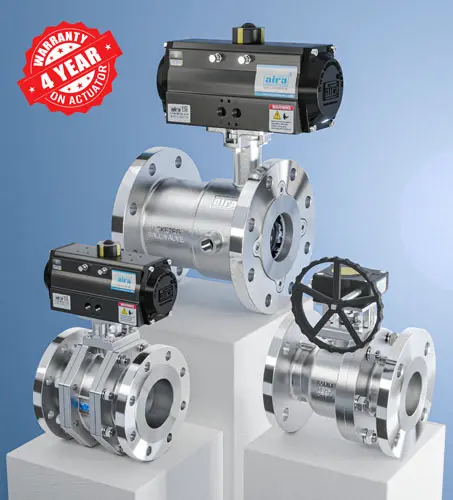
- Easy Automation Integration: Modern facilities rely on automated control. Biogas valves should seamlessly integrate with pneumatic and electric actuators for remote monitoring and fail-safe protocols.
- Low Maintenance Design: Biogas facilities run continuously. Valves need to offer a long service life with minimal downtime for repairs.
Types of Biogas Valves for Anaerobic Digesters
Here are the most commonly specified industrial valves for biogas applications:
| Valve Type | Key Advantages for Biogas | Best Application Stage |
|---|---|---|
| Ball Valves | Tight shutoff, compact design, fast 1/4-turn operation. | On/off isolation in biogas pipelines. |
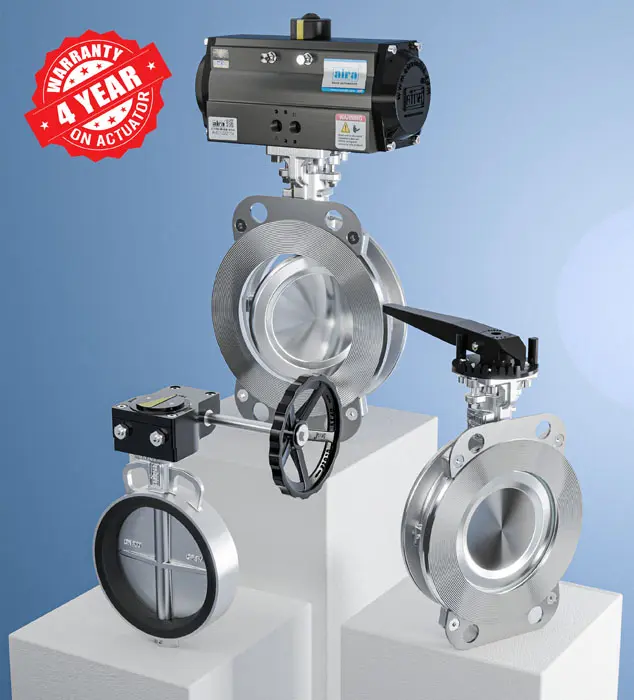
| Butterfly Valves | Cost-effective for large pipe diameters, lightweight, easy to automate. | Low-pressure gas flow control and isolation. |
| Knife Gate Valves | Self-cleaning gate design cuts through thick media without clogging. | Handling solid-laden organic substrates and slurry. |
| Control Valves | Precise flow and pressure regulation; integrates with plant digital systems. | Gas purification, blending, and biomethane injection. |
| Safety Relief Valves | Automatically vents gas if pressure exceeds safe limits. | Protecting digesters and storage tanks from overpressure. |
Material Selection for Biogas Valve Resilience
The materials used in valve construction play a pivotal role in durability and corrosion resistance. For biogas, preferred materials include:
| Component | Recommended Materials | Why it works for Biogas |
|---|---|---|
| Body/Trim | Stainless Steel (SS 304/316) | High resistance to H₂S and general corrosion. |
| Seals/Seats | PTFE, EPDM, FKM (Viton) | Excellent gas sealing under fluctuating temperatures. |
| Special Alloys | Hastelloy, Monel | Used in extreme high-corrosion zones. |
| Alternatives | Epoxy-Coated Carbon Steel | Economical choice with added anti-corrosive protection. |
Certifications and Standards to Look For
To guarantee operational and environmental compliance, always verify that your biogas valves carry the right certifications:
- ATEX Certification: Mandatory for equipment used in explosive atmospheres to prevent ignition.
- ISO 9001: Ensures the manufacturer adheres to strict quality management.
- PED Compliance (Pressure Equipment Directive): For pressure-bearing components.
- EN and ASME Standards: For dimensional and material conformity.
Also, check out: [How to Choose the Right Valve for Pharmaceutical Applications]
Why Choose Aira Euro Automation for Biogas Valves?
Aira Euro Automation is India’s leading industrial valve manufacturer, with a legacy of serving critical sectors including biogas, renewable energy, oil & gas, and wastewater management.
Here’s why Aira is a trusted name in the biogas industry:
- Decades of Experience: With over 3 decades of engineering excellence, Aira understands the unique demands of biogas infrastructure.
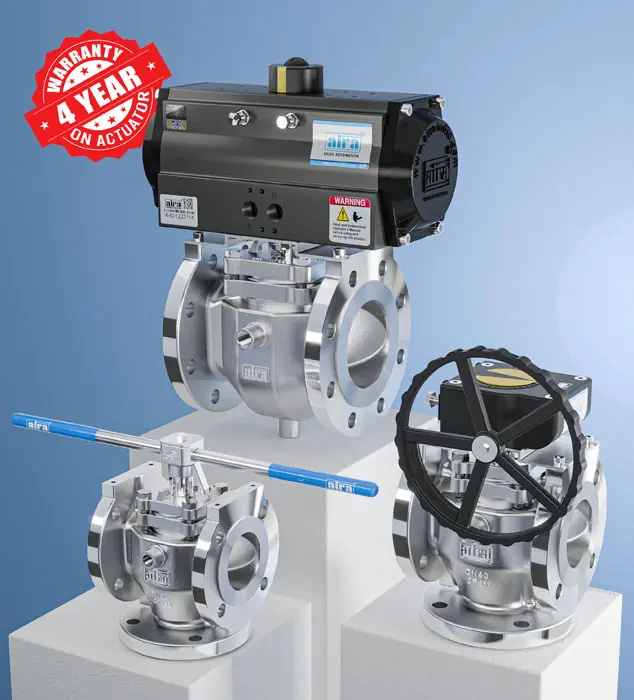
- Custom-Engineered Solutions: Whether you need a high-torque automated butterfly valve or a specialized pneumatic ball valve, Aira tailors the solution.
- Extensive Product Range: A comprehensive portfolio to power every stage of the biogas lifecycle.
- Proven Performance: Thousands of successful installations globally prove Aira’s reliability in harsh industrial environments.
Conclusion
Building a future-proof biogas plant requires components that can handle the heat, pressure, and corrosive nature of the process. Selecting the right biogas valves—featuring top-tier materials, bubble-tight sealing, and automation capabilities—is the foundation of a safe, efficient facility.
If you’re upgrading an existing plant or designing a new one, Aira Euro Automation provides high-quality, reliable valve solutions. Backed by innovation, trust, and engineering excellence, Aira ensures your green energy goals are met with precision and performance. Contact now.