Walk through any textile dyeing unit, and you’ll notice something quickly — the air smells of chemicals, the floor is often damp, and the pipelines are handling everything from caustic soda and acetic acid to bleaching agents, dye liquors, and hot water at varying pH levels throughout the day. This is one of the harshest chemical environments a valve will ever see in the process industry, and it’s exactly why so many dyeing units struggle with premature valve failure, leakage, and unplanned shutdowns.
At Aira Euro Automation, we’ve supplied valve systems to textile processing plants for years, and the pattern is consistent: units that select valves purely on cost, without accounting for the actual chemical exposure, end up replacing valves every few months. Units that specify corrosion-resistant materials correctly from the start get years of trouble-free service from the same components.
Why Standard Valves Fail in Dyeing Applications
A textile dyeing process typically cycles through multiple chemical baths — scouring, bleaching, dyeing, fixing, washing, and neutralizing — often within the same production line. Each stage brings a different chemical composition:
- Caustic soda (NaOH) in scouring and mercerizing, which is aggressive toward standard cast iron and many grades of stainless steel over time.
- Acetic acid and formic acid used for pH adjustment and dye fixation, which attack metal surfaces at the molecular level if the valve body isn’t rated for acid exposure.
- Sodium hypochlorite and hydrogen peroxide in bleaching, both strong oxidizers that accelerate corrosion in valves not lined or coated appropriately.
- Hot water and steam, often above 90°C, which combine with the above chemicals to create a genuinely aggressive service condition — heat accelerates almost every corrosion mechanism.
A valve body that isn’t chemically matched to this environment will show pitting, seat degradation, and stem corrosion within a short operating window. Once a valve starts leaking dye liquor or process chemical, it’s not just a maintenance cost — it’s a quality issue, since batch consistency in dyeing depends on precise chemical dosing and flow control.
The Real Impact of Valve Corrosion on Dyeing Output
Corrosion doesn’t always announce itself with a dramatic failure. More often, it shows up gradually: a valve that used to shut off cleanly starts to seep, a control valve that used to modulate flow precisely starts to stick or hunt, and dye batches begin showing shade variation because the actual chemical dosing no longer matches what the recipe calls for.
Also Read: Why Sugar Mills Depend on Reliable Valve Systems for Continuous Processing
For a dyeing unit running multiple shifts and chasing tight delivery timelines for garment and fabric buyers, this kind of slow degradation is expensive in ways that don’t always show up on a maintenance report — rejected batches, reprocessing costs, and customer complaints about shade matching.
Valve Materials and Types Built for Chemical Resistance
The right approach for textile dyeing units is to match valve body material and lining to the specific chemical and temperature profile of each line, rather than using one valve grade across the entire plant.
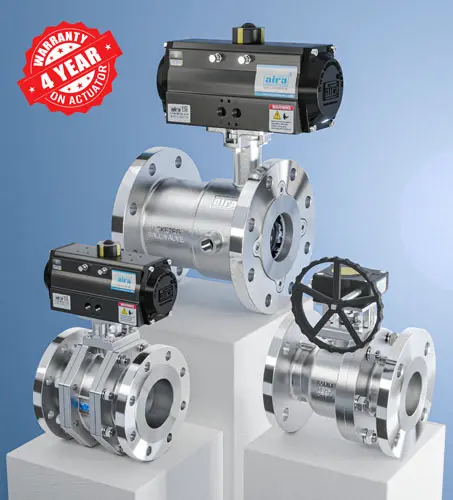
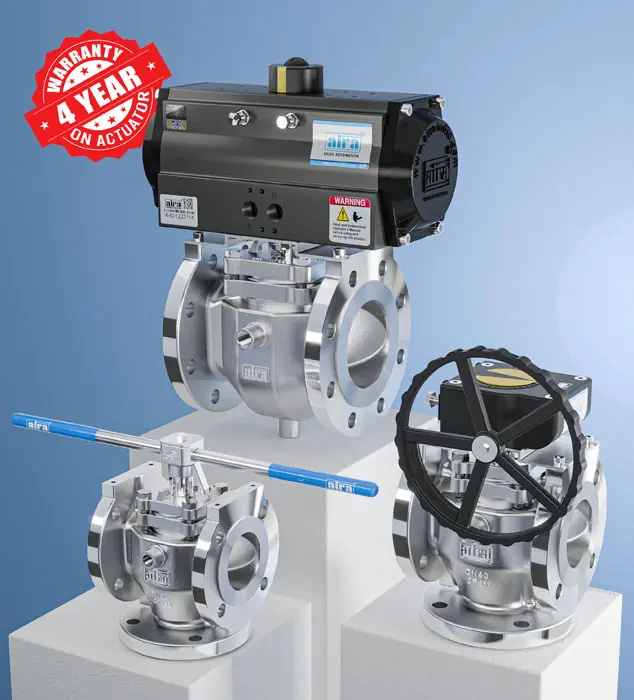
- Lined valves, including our lined ball valves, lined butterfly valves, and lined plug valves, use PTFE or PFA linings over a ductile iron or carbon steel body. These are often the most cost-effective solution for highly corrosive chemical lines, since the lining fully isolates the metal body from the process fluid.
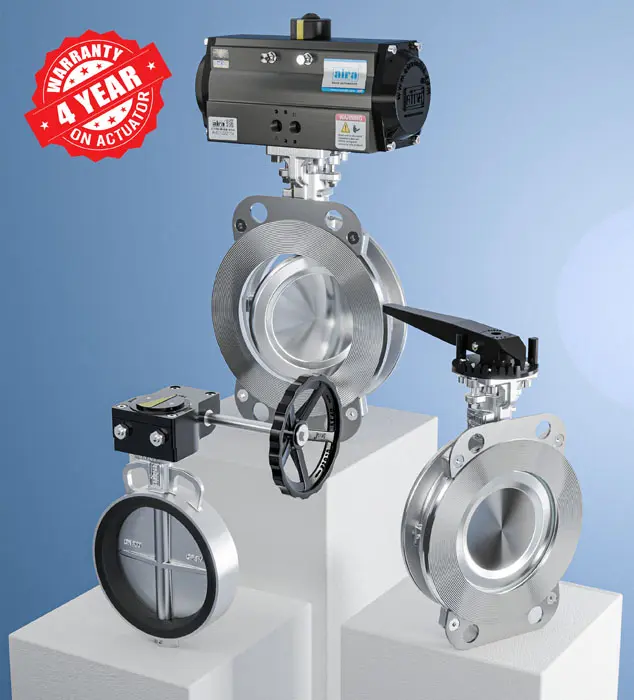
- Butterfly valves in corrosion-resistant configurations work well on bulk transfer and mixing lines where quick operation and space savings matter, particularly in centric and double offset designs.
- Ball valves, especially in high-pressure and metal-to-metal or lined variants, are suited to dosing and metering points where tight shut-off is critical for batch accuracy.
- Control valves with chemically resistant trims are essential wherever precise, repeatable dosing of caustic, acid, or bleach is part of the recipe — this is often where corrosion-related drift causes the most quality issues.
- Solenoid valves used for automated dye liquor dosing and batch sequencing also need corrosion-appropriate wetted parts, since these are frequently the smallest and most overlooked components in a dosing skid.
Actuation Matters as Much as Material
Textile dyeing lines rely heavily on automated, repeatable batch sequencing — dosing has to happen at the right time, in the right quantity, every single cycle. This makes actuator reliability just as important as valve body material. Pneumatic actuators paired with corrosion-resistant valve bodies give dyeing units the fast, consistent cycling needed for automated dosing sequences, without the actuator itself becoming a point of failure in a humid, chemically active plant environment.
What to Check Before Specifying Valves for a Dyeing Unit
- Map the actual chemical exposure per line — scouring, bleaching, dyeing, and fixation stages each need different resistance profiles; don’t assume one valve spec fits the whole plant.
- Confirm lining or body material compatibility with the specific chemical concentrations and temperatures used in your process, not just generic “corrosion resistant” claims.
- Check seat and seal elastomer ratings separately from the body material, since many valve failures start at the seal, not the body.
- Evaluate actuator housing protection (IP rating) given the humid, chemically active atmosphere typical of dyeing floors.
- Look for manufacturers with textile industry field experience, since chemical resistance charts on paper don’t always predict real-world performance in mixed-chemical, cyclic-temperature service.
How Aira Euro Automation Supports Textile Processing Plants
Aira Euro Automation has been manufacturing valves since 1993, with in-house CNC machining, R&D, and design capabilities that let us match valve construction to demanding chemical process environments — including the mixed-acid, mixed-alkali conditions typical of textile dyeing. Our lined valve range is specifically built for services where metal-to-chemical contact needs to be eliminated, and our engineering team works with plant operators to select the correct combination of body material, lining, seat, and actuation for each stage of the dyeing process.
We’ve seen firsthand how the right valve choice changes a plant’s maintenance rhythm — from monthly valve replacements to a properly planned annual service schedule, with dosing accuracy that stays consistent batch after batch.
Talk to Us Before Your Next Valve Replacement
If your dyeing unit is dealing with repeated valve corrosion, leakage, or dosing accuracy issues, it’s worth reviewing your current valve specifications against your actual chemical exposure before ordering replacements again.
Contact Aira Euro Automation for a technical review of your dyeing line valve requirements, or browse our lined valve product range to find a corrosion-resistant solution built for your process conditions.
Frequently Asked Questions
What is the best valve material for caustic soda and acid exposure in dyeing units?
PTFE or PFA-lined valves are generally a reliable choice for highly corrosive service because the lining helps isolate the metal body from caustic and acid exposure. For less aggressive applications, higher-grade stainless steel bodies with chemically resistant seats may also be suitable, depending on the process conditions.
Why do textile dyeing plants see shade variation over time even when the recipe hasn’t changed?
Gradual valve corrosion and wear can affect chemical dosing accuracy over time. A control valve that no longer modulates precisely, or a ball valve that develops minor internal leakage, can alter the actual quantity of chemicals reaching the dye bath even when the programmed recipe remains unchanged.
Are lined valves more expensive than standard valves for dyeing applications?
Lined valves typically have a higher initial cost than standard carbon steel valves. However, for highly corrosive applications, they can provide better long-term value by reducing corrosion-related failures, frequent replacements, maintenance requirements, and production interruptions.
How often should valves in a dyeing unit be inspected for corrosion?
Inspection frequency depends on chemical exposure, temperature, operating conditions, and the criticality of the process. High-exposure areas such as bleaching and pH adjustment dosing points generally benefit from more frequent visual and functional checks than process water or rinse lines. Inspection schedules should be adjusted based on actual valve condition and operating history.
Can one valve type be used across the entire dyeing process, from scouring to fixation?
It is generally not recommended to use one valve specification throughout the entire dyeing process. Each stage can involve different chemicals, temperatures, pressures, and media characteristics. Valve body materials, linings, seats, and seals should therefore be selected according to the specific conditions of each process line.