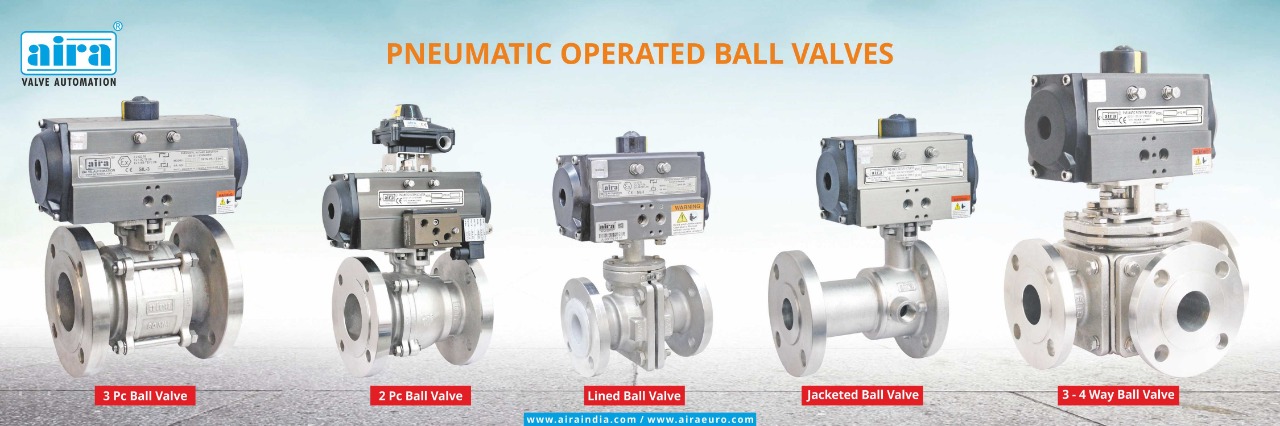
Ball valves are among the most trusted and widely used flow control devices across industrial applications due to their simple operation, excellent sealing performance, and long service life. They are commonly used in industries such as oil & gas, chemical processing, water treatment, pharmaceuticals, food processing, and power generation. However, selecting the right ball valve requires understanding the different body designs available and how each performs under varying operating conditions.
One of the most commonly used configurations is the floating ball valve design, which offers reliable sealing and cost-effective performance for medium-pressure applications. For larger pipelines and high-pressure systems, trunnion-mounted ball valves provide additional support and improved stability. Understanding these designs and the common causes of ball valve failure helps engineers and plant operators select the right valve for long-term reliability and efficient operation.
Ball Valves are the most widely used valves in the world. More than 3/4 of the valves sold are ball valves. With the variety of different types of valves available and the many different applications that they can be used for, it is not always easy to understand and know the right type of valve to use. This blog post hopes to look at various body designs of ball valves, floating and trunnion ball valves, their advantages, and disadvantages as well as why they fail.
Ball Valve Body Types
The ball valves are the most user-friendly valves as well and engineers have shaped them into various body designs to match the application’s requirements. The ball valves are commonly available in five types of body styles. The single body design, three-piece body design, split body design, top entry ball valve, and trunnion mounted are on the list. The body style of this valve does not impact its operating system but adheres to the valve performance and matches the user’s requirements.
In a previous article “Best Ball Valve Designs and End Connections”, we have already examined the single body, a three-piece design, and a split body which is also known as a two-piece design ball valve. So here we discuss the rest types which are top entry and trunnion mounted body ball valve.
Understanding different ball valve body designs is an important part of selecting the right industrial valve. Although every ball valve follows the same quarter-turn operating principle, each body design offers unique advantages in terms of maintenance, pressure handling, installation, and serviceability. Selecting the appropriate body style helps improve operational efficiency while meeting specific application requirements.
Top Entry or Floating Ball Valve
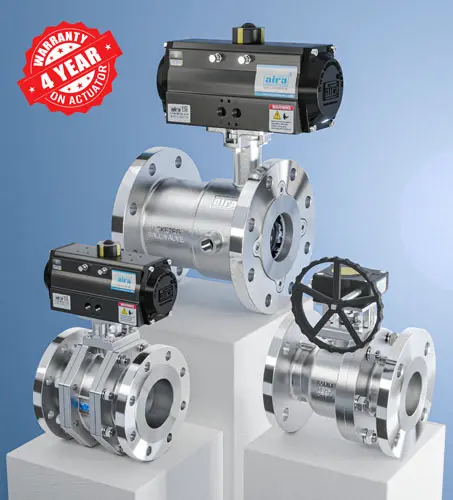
The top entry ball valve is also known as the floating ball valve. The ball inside of this valve is placed from the top side. In industrial piping systems, floating ball valves are the most common type of valve.
The downstream seat of these valves is designed to maintain a tight seal as the ball wears against the downstream seat as the seats begin to wear. The operating mechanism of a floating ball valve is a shaft, or stem, that turns the ball 90 degrees (a quarter turn). With the ball rotating, the valve body covers or reveals the port, releasing or stopping media flow. A loosely attached stem allows the ball’s axis to rotate and the flow’s pressure to push it against its downstream seat, resulting in a tight seal. In very low-pressure applications, floating ball valves may not seal as effectively after some seat wear has occurred. A tight seal may not be achieved if not enough media pressure is applied to force the ball against the downstream seat. Most of the time, downstream pressure is sufficient to maintain a tight seal long after the seats have begun to wear.
The floating ball valve design is one of the most widely used configurations because of its compact construction, dependable sealing performance, and ease of operation. It is commonly selected for industrial applications where reliable shut-off, low maintenance, and cost-effective performance are important.
Trunnion Mounted Ball Valve
The operation of a trunnion mounted ball valve is much the same as that of a floating ball valve, but here, the ball is anchored by a second stem opposite to the operating stem. The trunnion is the name used for the second stem and bearing.
With a trunnion ball valve, the stem is rigidly attached to the ball, preventing it from moving anywhere but along its axis. Trunnion ball valves can maintain a proper seal on both sides simultaneously because the ball does not “float” downstream with the pressure of the media. Particularly important for multiport valves and for valves in very low-pressure applications, where the flow of media is not strong enough to push the ball against its downstream seat.
Trunnion-mounted ball valves are specifically designed for higher-pressure and larger-diameter applications where additional support is required to reduce operating torque and improve sealing performance. Their robust construction makes them suitable for demanding industrial environments.
Failure of Ball Valve
The life expectancy of a ball valve is about eight to ten years. Despite its simplicity, the ball valve has enormous value in the gas and water industries. Several causes lead to the failure of ball valves. Here are a few common causes:
- Poor material choice is one of the reasons for the ball valve failing to stop the fluid flow. Valve seats are manufactured using a variety of plastic materials. Choosing the wrong material for the application can cause failure. There are different requirements for the valve seat material depending on the application and operating conditions.
- The poor seat design also causes leaks in the valve and failure.
- A number of factors must be taken into consideration when selecting the correct material for your valve seats, including the media, the pressure at which the valves will be operating, and the temperature range of the application. In high and low temperatures and pressures, as well as combinations, the valve seats and valves will be less durable, less functional, and less long-lasting. Failing to consider these factors is a common cause of failure.
Although ball valves are known for their durability and long operating life, improper material selection, unsuitable operating conditions, and inadequate maintenance can eventually lead to valve failure. Identifying these causes early helps improve valve performance and reduce unexpected downtime.
How to Choose Between Floating and Trunnion Ball Valves
Choosing between a floating ball valve and a trunnion-mounted ball valve depends on factors such as operating pressure, valve size, media type, and application requirements.
A floating ball valve design is generally preferred for low to medium-pressure applications where compact construction, reliable sealing, and economical operation are required. These valves are widely used in water distribution, chemical processing, compressed air systems, and general industrial services.
Trunnion-mounted ball valves are more suitable for high-pressure systems and larger pipeline sizes. Because the ball is mechanically supported, they require lower operating torque while providing reliable sealing under demanding operating conditions. These valves are commonly used in oil & gas, petrochemical, power generation, and other heavy-duty industrial applications.
Before selecting either design, always consider the process media, operating pressure, temperature, maintenance requirements, and required service life to ensure reliable long-term performance.
Looking for the Right Ball Valve for Your Application?
Choosing the right ball valve design is essential for achieving reliable flow control, improved safety, and long-term performance. Whether your application requires a floating ball valve design for general industrial service or a trunnion-mounted ball valve for high-pressure operations, selecting the correct valve helps maximize efficiency while reducing maintenance costs.
At Aira Euro Automation, we manufacture a comprehensive range of industrial Ball Valves designed for water, steam, gas, chemical, and process applications. Our experienced technical team can help you choose the most suitable valve based on your operating pressure, media, temperature, and process requirements.
Explore our Ball Valve range or contact us today for expert technical guidance and product recommendations.
Frequently Asked Questions
What is a floating ball valve design?
A floating ball valve features a ball that is not mechanically fixed at the bottom. The ball is supported by the valve seats and moves slightly toward the downstream seat under pressure, creating a tight seal. This design is widely used in low- to medium-pressure industrial applications because of its simple construction and dependable sealing performance.
What is the difference between a floating ball valve and a trunnion-mounted ball valve?
A floating ball valve allows the ball to move slightly under process pressure to achieve sealing, whereas a trunnion-mounted ball valve has the ball supported by upper and lower trunnions. Trunnion-mounted designs are better suited for larger valve sizes and high-pressure applications because they reduce operating torque and provide more stable sealing.
Where are floating ball valves commonly used?
Floating ball valves are widely used in water treatment, chemical processing, compressed air systems, HVAC, food and beverage processing, pharmaceutical industries, and general industrial applications where reliable shut-off and moderate operating pressures are required.
What are the common causes of ball valve failure?
Ball valve failure can result from incorrect seat material selection, poor valve seat design, excessive operating pressure, unsuitable temperatures, media incompatibility, improper installation, or inadequate maintenance. Selecting the correct valve materials and following recommended operating conditions significantly improves valve reliability and service life.
How do I choose between a floating and trunnion ball valve?
The choice depends on factors such as operating pressure, valve size, process media, temperature, and application requirements. Floating ball valves are ideal for standard industrial applications, while trunnion-mounted ball valves are recommended for high-pressure, large-diameter, and demanding process systems.
Why choose Aira Euro Automation ball valves?
Aira Euro Automation manufactures high-quality ball valves engineered for reliable sealing, long service life, and dependable performance across a wide range of industrial applications. The product range includes manual, pneumatic, and electrically actuated ball valves designed for industries such as oil and gas, chemical processing, water treatment, pharmaceuticals, and power generation.