Are You Curious to Know All About Butterfly Valves? If yes, then you are on the correct article. In this article, we examine all the butterfly valve types commonly used in industrial applications. We start with the operating system first and then we go ahead with the mechanism and specification of all kinds of butterfly valves.
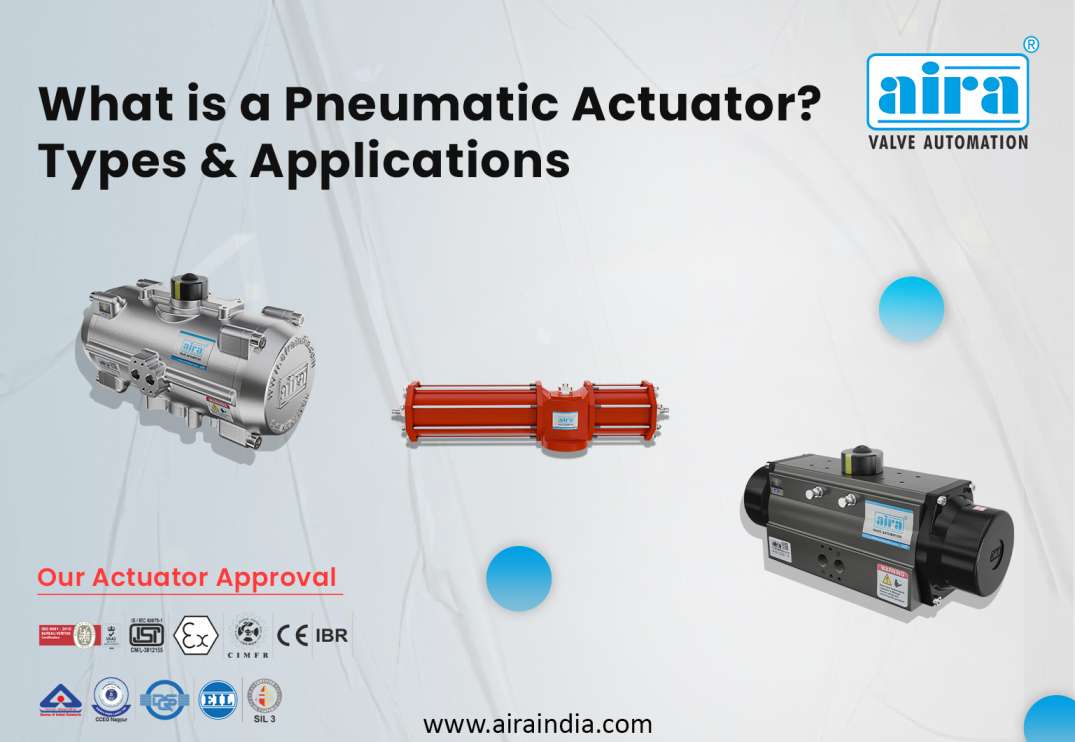
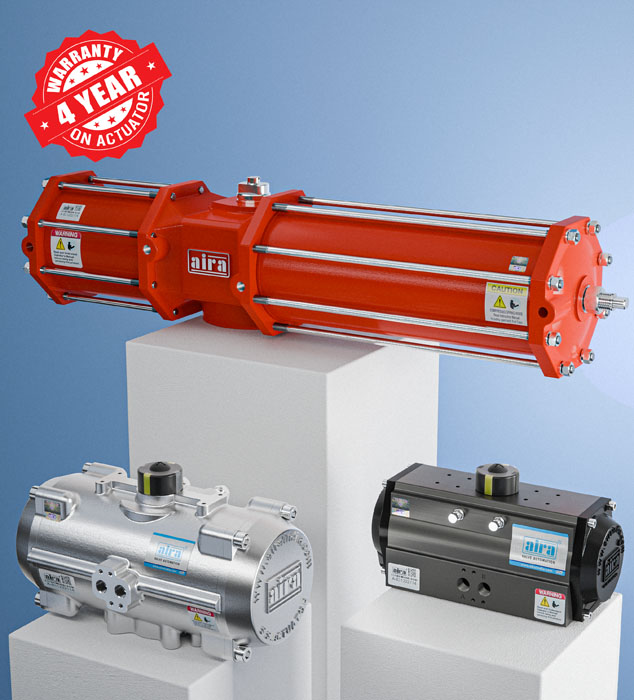
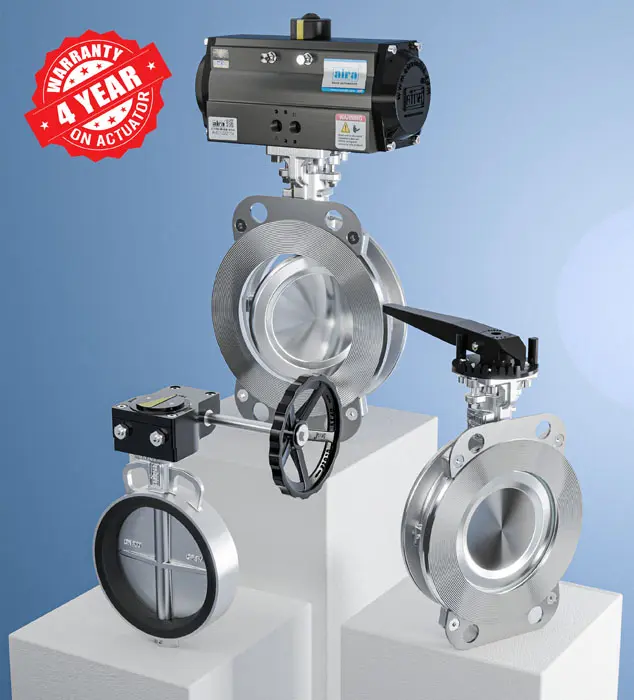
The butterfly valve is a rotary motion quarter-turn valve widely used for industrial flow control applications. This valve can be operated by a manual handle, gear, and a pneumatic actuator. Most industrialists prefer pneumatic actuated butterfly valves as they can operate valves in hazardous environments without manpower, thanks to advanced actuator mechanisms.
If you are wondering what is butterfly valve and how it works in industrial systems, the butterfly valve working principle is based on the rotation of a disc inside the pipeline to regulate or stop fluid flow.
Now, let’s focus on the types of butterfly valve. So first of all, we check the basic butterfly valve mechanism and how it works. The butterfly valve is fitted in the middle of the fluid flow pipe. There is a rotational disc connected to a centric stem or shaft, and that shaft is connected to the handle or actuator on the other end. This disc rotates quarter-turn to stop or allow the fluid flow to pass through.
Butterfly valve uses include water treatment plants, chemical processing industries, HVAC systems, pharmaceutical plants, food processing units, and oil & gas applications. This article also serves as a comprehensive guide to butterfly valves for beginners and industry professionals.
The engineers have designed various butterfly valve types to fulfill industrial needs. There are mainly three types of butterfly valves (as per their disc alignment):
- Concentric Butterfly Valve
- Double Eccentric Butterfly Valve
- Triple Eccentric Butterfly Valve
As per body type or end connection, we can distribute them into four types:
- Wafer Type
- Lug Type
- Flanged
- Butt Welded
Let’s explore each type of butterfly valve one by one to know their specifications, advantages, butterfly valve uses, and working mechanisms.
Concentric Butterfly Valve
This type of butterfly valve is also known as the “Zero Offset Butterfly Valve”. In this butterfly valve type, the disc and shaft are placed centered on the valve seat. As a result, the disc stays constantly in contact with the seat, which reduces valve seat life over time.
The concentric butterfly valve is commonly used to control liquid and gas media in industrial flow control applications such as water treatment plants, water distribution systems, pumping installations, fire protection systems, and natural gas & flare gas pipelines.
Due to its simple design and cost efficiency, this butterfly valve type is widely preferred for low-pressure applications.
Double Eccentric Butterfly Valve
This butterfly valve type is also called a Double Offset Butterfly Valve or High-Performance Butterfly Valve. In this valve, there are two offsets from the center. First, the axis of the shaft is eccentric to the backside of the disc and behind the centerline of the sealing point. Second, the shaft axis is also not positioned at the center of the valve or pipe.
The butterfly valve working principle in this design helps create a cam action during operation. When the valve reaches the fully open position, the disc does not touch the seat, which helps provide longer valve seat life and reduced friction during operation.
Double offset butterfly valves are highly suitable for thicker media and high-pressure industrial applications because their unique design minimizes contact between the disc and seat.
Common butterfly valve uses include power generation plants, pulp & paper industries, chemical industries, oil & gas plants, water & wastewater treatment plants, and shipbuilding applications.
Triple Eccentric Butterfly Valve
This valve is also known as the Triple Offset Butterfly Valve. The first two offsets are similar to double offset butterfly valves, while the third offset is created through a geometrically designed seat surface. This specially designed seat and disc create a conical angle, allowing the disc to seal the seat with minimal friction and contact only during shut-off positions. This advanced butterfly valve working principle in metal-seated valves provides a bubble-tight shutoff.
A triple offset butterfly valve is highly preferred in industrial applications where tight shutoff performance is required. In applications where double offset butterfly valves are used but tighter sealing is necessary, this butterfly valve type becomes an ideal solution. The triple offset design helps provide reliable bubble-tight sealing performance for high-pressure and high-temperature services.
As per the three figures, we can easily get all the points of the Butterfly valve’s working principle. We all know that these valves are fitted in the middle of the pipe, so let’s check out ‘How are butterfly valves fitted in pipelines?’
As we read above there are four types of end connections or body types of butterfly valves that help to be fitted in the pipeline.
Wafer Type Butterfly Valve
This type of butterfly valve is installed between two flanged-end pipes. As shown below, the wafer type butterfly valve fits with the help of studs that pass through pipe flanges and tighten the valve between two flanges.
This butterfly valve type is commonly used to prevent backflow in industrial piping systems. It is designed to maintain a seal against bi-directional pressure and is widely preferred for compact installation requirements.
Lug Type Butterfly Valve
The lug type butterfly valve is also connected between flange-ended pipelines. There are threaded inserts on both sides of the valve body. Both sides of the flange-ended pipe connect to these threaded inserts using two sets of bolts without nuts.
This threaded insert arrangement allows one side of the pipeline to disconnect without disturbing the other side. Due to this advantage, lug type butterfly valves are often used as end-of-line valves in industrial piping systems.
Flanged End Butterfly Valve
This butterfly valve type has a flanged body that matches the flanged-end pipe connection and is fitted using nuts and bolts.
Flanged end butterfly valves contain threadless inserts on both sides, which help tightly secure the valve to the pipeline. These butterfly valve types are widely used in large industrial piping systems requiring strong and stable connections.
Butt Weld End Butterfly Valve
In this butterfly valve type, the valve ends are directly welded to the pipeline, making them highly suitable for high-pressure and high-temperature industrial applications.
Conclusion
End connections directly impact butterfly valve performance and installation reliability. Selecting the correct butterfly valve type for industrial applications helps prevent leakage, improve sealing efficiency, and maintain long-term operational performance.
Different butterfly valve types are used across low-pressure, high-pressure, and high-temperature industrial services depending on application requirements, sealing performance, and installation conditions.