gWhen a pipeline fails, a batch gets contaminated, or a plant shuts down because of a faulty valve, nobody remembers how much money was saved by buying the cheaper option.…
Read More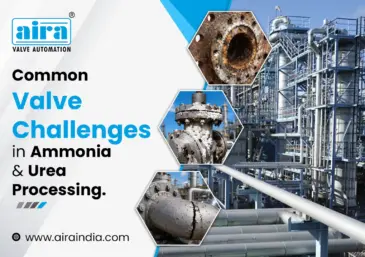
Ammonia and urea plants run some of the most punishing process conditions in the chemical industry — high pressure, high temperature, and highly corrosive media, often all at the same…
Read More
Slurry handling is arguably the toughest service a valve can be put through. Mining operations move enormous volumes of ore fines, tailings, and mineral concentrate suspended in water — mixtures…
Read More
Walk through any textile dyeing unit, and you'll notice something quickly — the air smells of chemicals, the floor is often damp, and the pipelines are handling everything from caustic…
Read More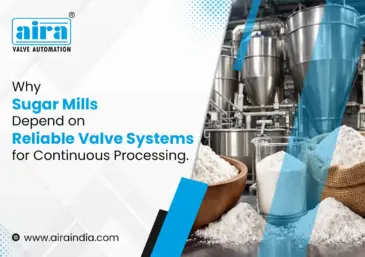
Sugar processing is one of the most demanding continuous-flow operations in the process industry. From cane crushing to juice clarification, evaporation, crystallization, and finally centrifugation, a sugar mill runs as…
Read More
When an HVAC system starts underperforming, the instinct is to look at the big-ticket items: the chiller, the cooling tower, the air handling unit, or the control system. These are…
Read More
At first glance, a needle valve and a ball valve might seem to serve the same basic purpose: they both stop and start flow through a pipeline. But spend a…
Read More
Non return valves are designed to do their job silently. They open with forward flow, close when flow stops or reverses, and protect downstream equipment from backflow — all without…
Read More
In industrial piping, fluid control, and plumbing systems, the terms one-way valve and non return valve are often used interchangeably, and in most practical contexts, they refer to the same…
Read More
Selecting a solenoid valve sounds straightforward until you start looking at the specifications and realise there are dozens of variables to consider. Port size, body material, orifice diameter, pressure rating,…
Read More